
stinging-insects
What to Do When a Bee Swarm Lands on Your Fresno House
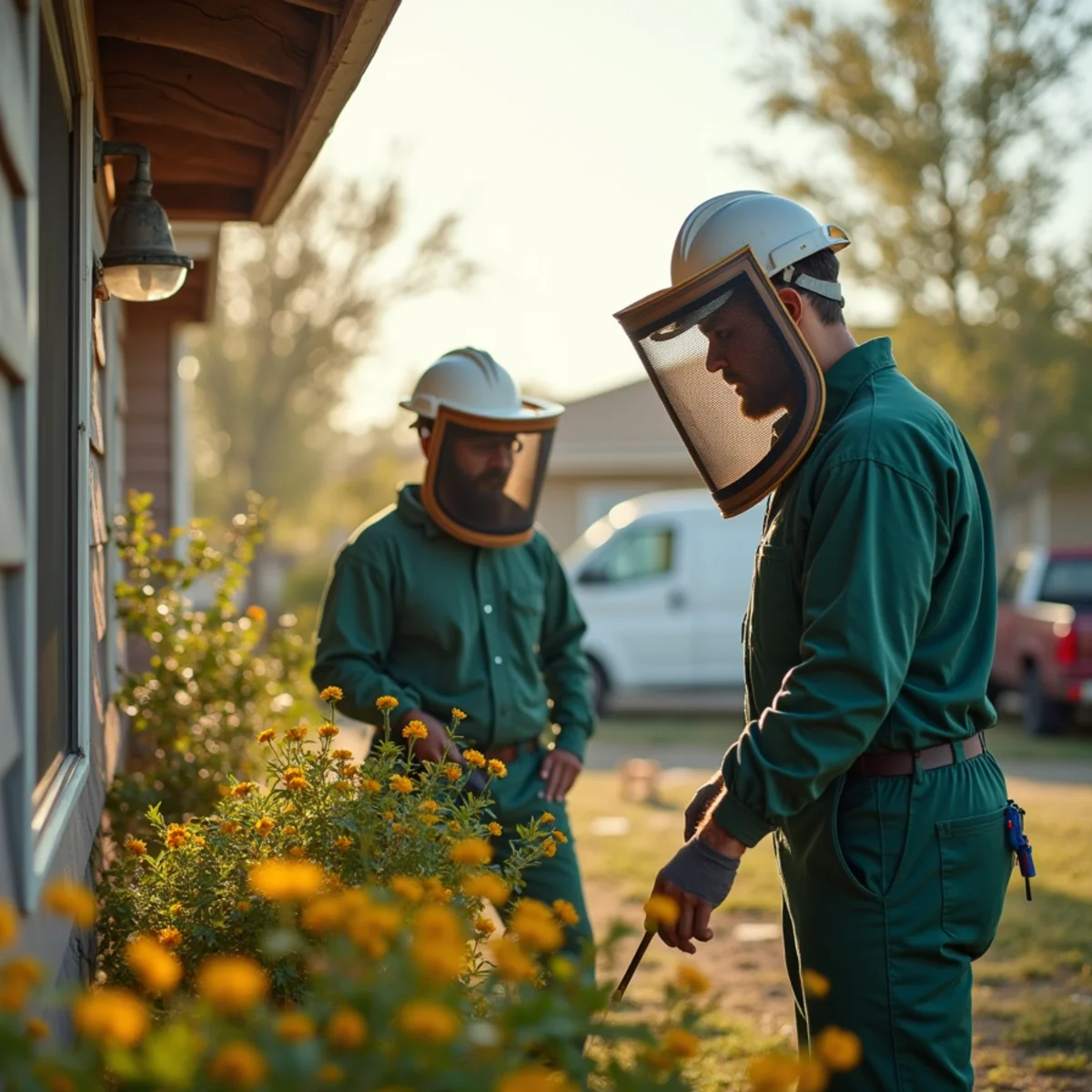
If a bee swarm lands on your Fresno house, stay calm and keep people and pets well back — a resting swarm is usually docile but should not be disturbed. Do not spray it. Call for prompt removal, because within a day or two the swarm may move into a wall, turning an easy job into a costly one.
Why does a bee swarm land on a house?
A swarm looks alarming — a buzzing cluster the size of a football hanging from an eave, a fence, a tree limb or even a parked car — but it is a normal part of how honey bee colonies reproduce. In spring and early summer, a healthy colony splits: the old queen leaves with a large group of workers to find a new home, and that traveling group is the swarm. The cluster you are looking at is bees protecting the queen while scout bees search the area for a permanent cavity to move into.
This is why swarms show up so often across the Central Valley from spring through fall. Our mild climate and abundant bloom — orchards, gardens, roadside flowers — support a lot of colonies, and a lot of colonies means a lot of splitting. A swarm resting on your house in Fresno or Clovis is not an attack and not a hive; it is a temporary stopover.
The catch is in the word temporary. A resting swarm is scouting, and one of the cavities the scouts are evaluating might be the void inside your wall, your chimney or your shed. Swarms commonly move on within a day or two, but "move on" can mean "move in." That timeline is the whole reason the right response matters: handled while it is still a cluster in the open, a swarm is an easy, low-cost removal; left until it builds comb inside a wall, it becomes a costly extraction.
It also helps to know what you are not dealing with. A swarm is not an attack, and the bees are not interested in you — they are clustered around their queen, bellies full of honey for the journey, in one of the least defensive states a honey bee colony ever reaches. That is why beekeepers can sometimes handle swarms with minimal protection. The aggression people fear comes later, once a colony is established in a cavity with comb and brood to defend. So while a swarm on the house looks dramatic and deserves respect, panic is not warranted; a calm, prompt response is. Understanding that distinction keeps you from doing something rash, like spraying or swatting, that would turn a docile cluster into an agitated one.
Need help now, not later?
Call (321) 496-4080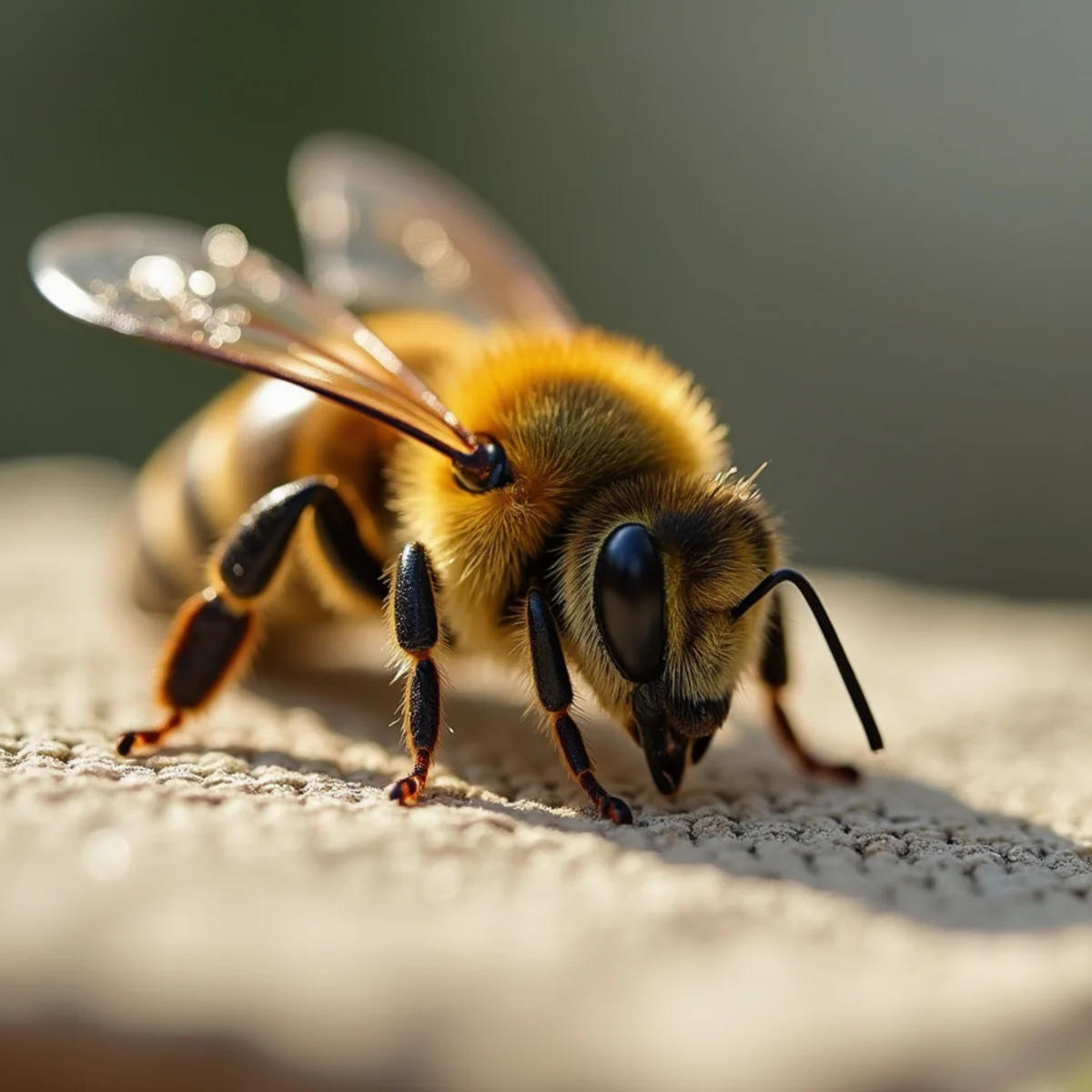
What should you do and not do?
When a swarm lands, your actions in the first hour set up whether this is simple or expensive. Here is a clear checklist — the do's first, then the critical don'ts.
What to do:
- Stay calm and move people and pets indoors. A resting swarm is usually docile, but calm distance is the goal. Get children and animals inside and away from the cluster.
- Keep everyone well back. Give the swarm a wide berth. Do not let anyone poke, photograph up close, or crowd it.
- Close nearby windows and doors. This keeps scout bees — and the swarm, if it shifts — from drifting indoors.
- Note the exact location and when it arrived. Where it is and how long it has been there helps a remover plan the job.
- Call for removal promptly. The sooner a swarm is collected, the easier and cheaper it is, and the lower the chance it moves into the structure.
What not to do:
- Do not spray it — not with a hose, not with insecticide, not with anything. Spraying agitates the bees, rarely kills the whole cluster, and can turn a docile swarm defensive.
- Do not throw things, light smoke, or try to knock it down. Disturbing a swarm is exactly what provokes stings.
- Do not try to remove it yourself, especially if it is high up or if anyone in the household is allergic.
- Do not seal a bee entry if bees are already going into a wall — trapping them inside drives the colony into living space. Call for proper removal instead.
Follow the list and most swarm situations stay uneventful while you wait for help.
Why is live removal the preferred approach?
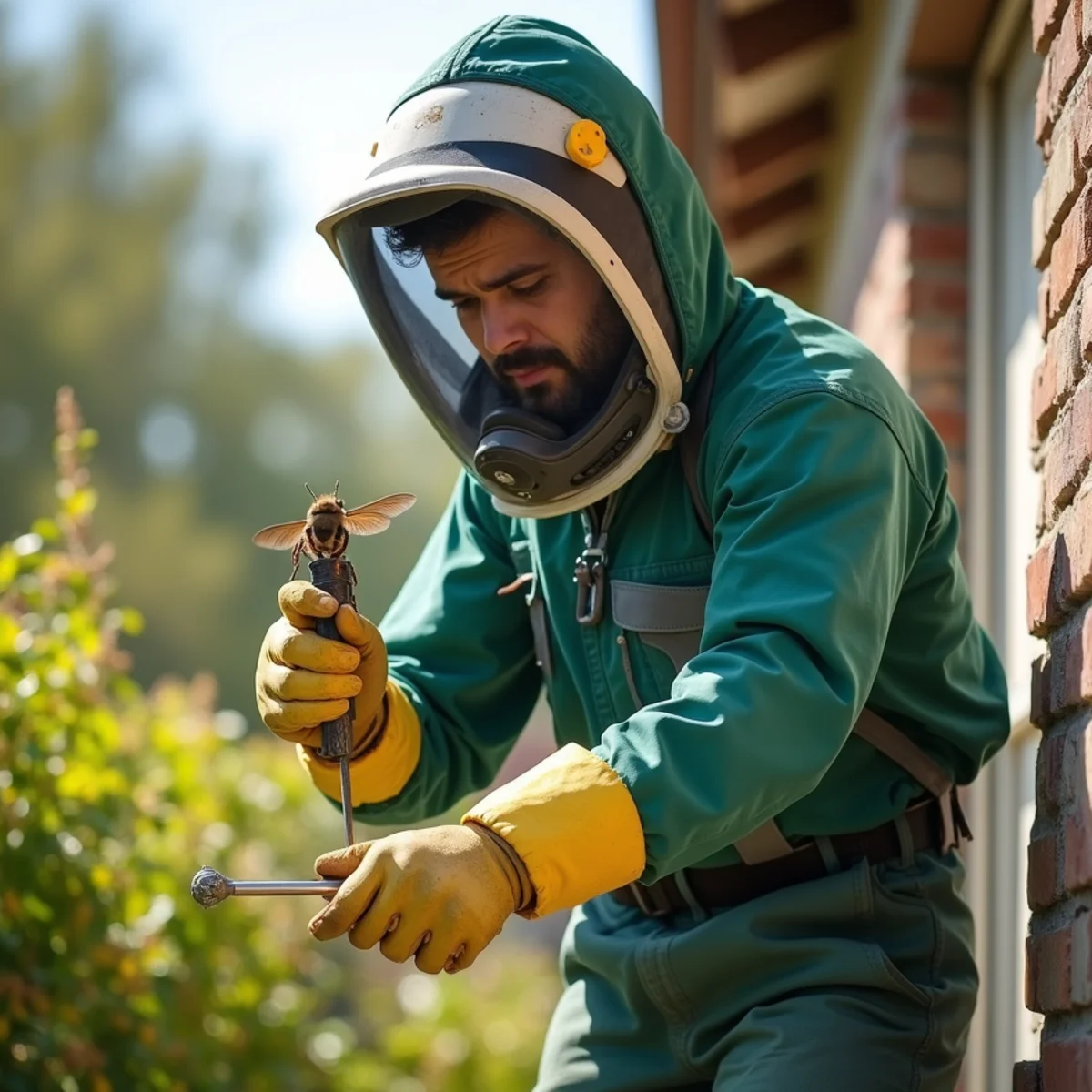
Honey bees are valuable pollinators, and where it is practical and safe, live removal is the responsible choice — which is why we favor it. For an accessible swarm resting in the open, collecting the cluster alive is usually straightforward: the bees are gathered and relocated rather than killed. That is better for the bees and often simpler than a spray-and-cleanup approach.
Live removal also tends to produce a cleaner outcome for you. A swarm captured before it enters your wall leaves nothing behind — no comb, no honey, no mess inside the structure. Compare that with an established hive that has to be opened out of a wall, where the comb and honey must be fully removed or they rot, stain the interior and attract the next swarm. The earlier the stage, the more likely live removal is both possible and tidy.
We will always be honest about what a given situation allows. An accessible resting swarm is a good candidate for live removal. An established hive deep in a two-story wall is harder, and the colony's location, condition and temperament determine what is realistic. Safety comes first, and sometimes that limits the options — but for a fresh swarm on the house, live removal is usually exactly the right call.
Should you worry about Africanized bees in the Valley?
This is the honest caution that matters most for a Fresno homeowner. Most honey bees in the Central Valley carry at least some Africanized genetics. In day-to-day foraging — bees on flowers, bees at a water source — they behave much like any honey bee and are not a threat. A resting swarm is typically docile because it has no hive and no stored honey to defend.
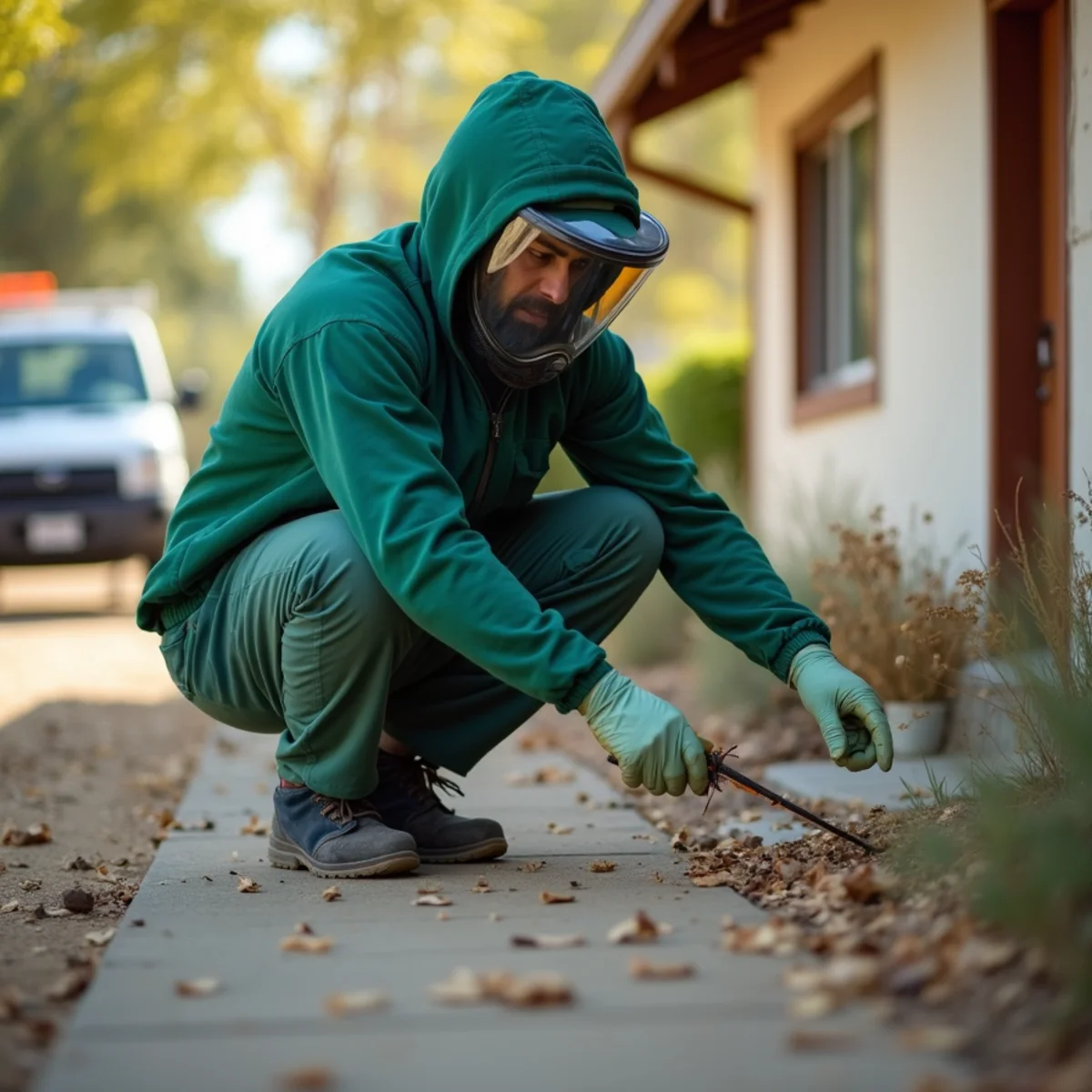
The picture changes when a colony is established and its hive is disturbed. Bees with Africanized genetics can be notably more defensive when they perceive a threat to an established nest, responding in greater numbers and staying agitated longer. That is precisely why opening a wall hive is a job for a trained remover with proper protective gear and technique, not a DIY weekend project. It is also why you should never bang on, spray, or try to smoke out a hive yourself.
For a swarm specifically, the practical takeaway is reassurance plus respect: the cluster on your eave is very unlikely to be aggressive, so you do not need to panic, but you also should not test it. Keep your distance, do not disturb it, and let it be removed properly. If you are ever stung multiple times or have a reaction, treat that as a medical situation and contact a doctor, urgent care, or the California Poison Control System at 1-800-222-1222 — we handle the bees, not the medicine.
Why does acting fast save you money?
Of everything in this guide, timing is the factor most in your control, and it has the biggest effect on cost. A swarm is cheapest and easiest to deal with in the open, before it commits to a home. Every hour it sits scouting is an hour closer to it choosing a cavity — and if that cavity is your wall, chimney or soffit, the job changes category entirely.
Once bees build comb inside a structure, you no longer have a swarm; you have an established hive, and removing it means locating the colony, opening the void, extracting the bees and all the comb and honey, and then sealing the entry so a new swarm cannot reoccupy the same cavity next spring. That involves the structure itself — siding, soffit or stucco — and sometimes repair afterward. It is simply a bigger, more expensive job than collecting a cluster off a branch.
So when a swarm lands on your Fresno or Clovis home, the money-saving move is to call promptly rather than wait and hope it leaves on its own. It might leave — but it might move in, and you cannot tell which from the outside. This is also the stage where live removal is most likely to be an option, so acting fast is better for the bees as well as your wallet. Once a colony is sealed inside a wall, the choices narrow and the comb cleanup and entry sealing add real cost. When you call J&J Pest Control by noon, Monday through Saturday, we aim for same-day response on genuine stinging-insect situations, and we favor live removal where it is feasible. Catching it as a swarm is the easy chapter; catching it as a wall hive is the hard one.
Frequently asked questions
A bee swarm on your Fresno house is usually docile, but it will not stay put — it is scouting for a home, and that home could be your wall. Keep your distance, do not spray it, and call promptly so it can be removed, ideally alive, before it moves in. Call J&J Pest Control at (321) 496-4080 for same-day swarm help.
Call (321) 496-4080