
termites
Drywood vs Subterranean Termites in the Central Valley
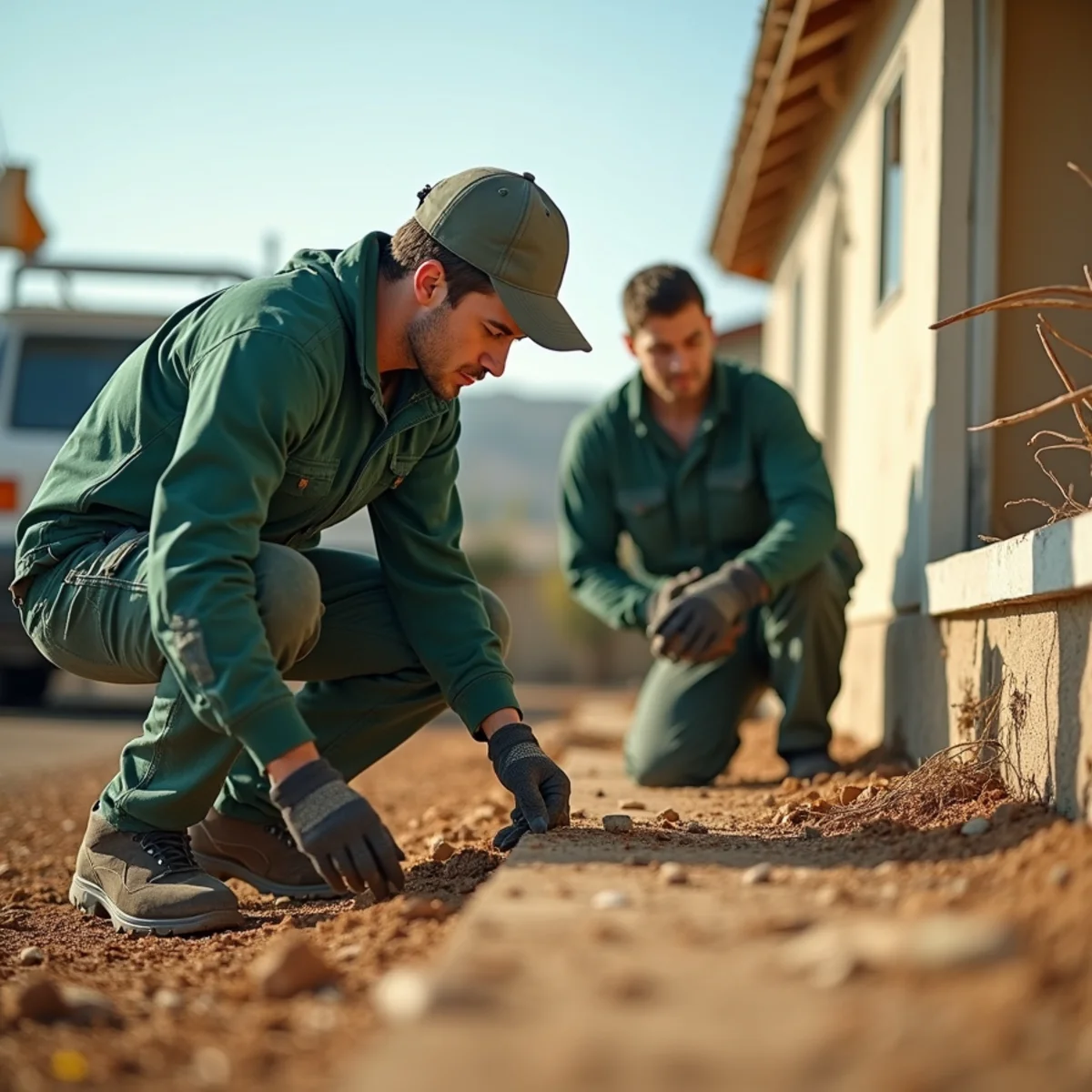
Drywood termites live entirely inside dry wood and leave piles of six-sided pellets called frass. Subterranean termites nest in the soil and build pencil-width mud tubes up the foundation to reach wood. The signs, the biology and the treatments are completely different, so identifying which you have decides the entire plan.
Two very different insects, one scary word
The word "termites" covers two insects that behave almost nothing alike, and Central Valley homes face both. Treating the wrong one is a common and expensive mistake, because a product or method aimed at one does nothing to the other.
Drywood termites live their entire lives inside the wood they eat. They need no contact with soil and no outside moisture source, which lets them colonize the dry, exposed wood of a Valley home — eaves, fascia, window and door frames, attic rafters, and even wood furniture. Because the Central Valley's climate is hot and dry, drywood colonies thrive in the sun-baked wood of older homes with exposed trim.
Subterranean termites are ground insects. They nest in the soil, where they get the moisture they depend on, and send workers up into the structure to feed on wood. The valley floor's clay and loam soils and irrigated landscaping keep subterranean colonies supplied with the moisture they need. They are generally the more destructive of the two over time because their colonies are far larger.
There is a third, less common group worth a mention: dampwood termites, which need very wet wood and show up only where there is a persistent moisture problem — a chronic leak, failed flashing, or wood in contact with saturated soil. They are not the usual Valley concern, but finding them is a signal that a home has a water issue feeding the wood. Fixing the moisture is as much a part of the solution as treating the insects, a theme that runs through every termite job.
Need help now, not later?
Call (321) 496-4080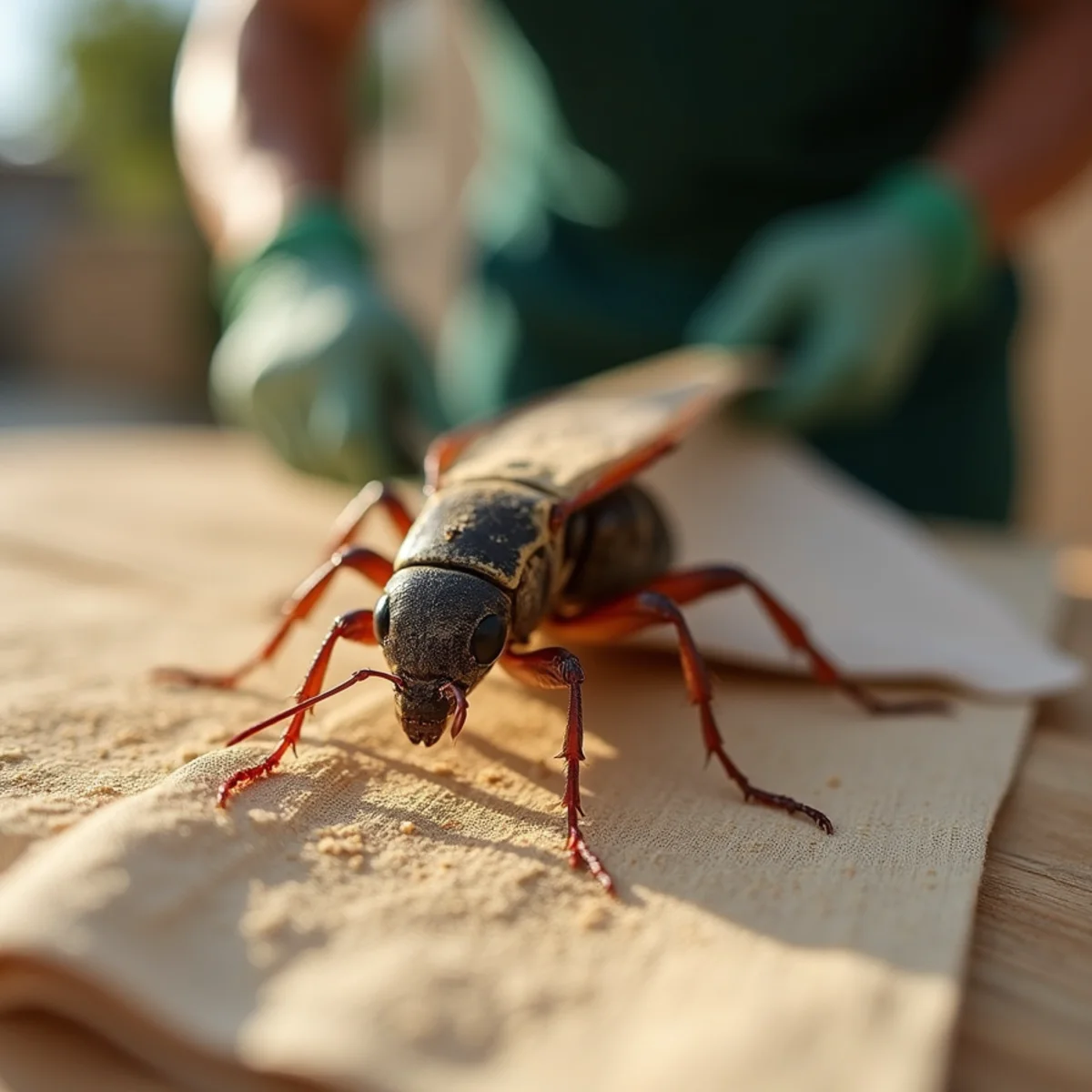
Drywood vs subterranean at a glance
When our inspector walks a home, these are the differences that separate the two and point to the right treatment. Use the table to orient yourself before an inspection:
| Feature | Drywood termites | Subterranean termites |
|---|---|---|
| Nest location | Inside the wood itself | In the soil, below or beside the home |
| Soil contact | Not needed | Required |
| Telltale sign | Frass: piles of six-sided pellets | Mud tubes up the foundation |
| Common spots | Eaves, fascia, window frames, attic, furniture | Stem walls, crawlspace, garage slab edge |
| Colony size | Smaller (hundreds to a few thousand) | Large (tens of thousands or more) |
| Moisture need | Low — thrives in dry Valley wood | High — depends on soil moisture |
| Typical treatment | Local drill-and-treat or fumigation | Soil barrier at the foundation |
The single most useful line in that table is the telltale sign. Frass means drywood; mud tubes mean subterranean. Everything else follows from that one observation.
Where the two look most alike is in the damage itself: both hollow out wood from the inside, leaving a thin shell that sounds hollow when tapped and can blister or bubble paint. That overlap is exactly why you cannot identify the species from the damaged wood alone — the galleries look similar. It is the external evidence, the frass or the tubes, plus where that evidence sits on the structure, that tells an inspector which insect is at work and therefore which treatment to recommend.
Frass vs mud tubes: reading the evidence
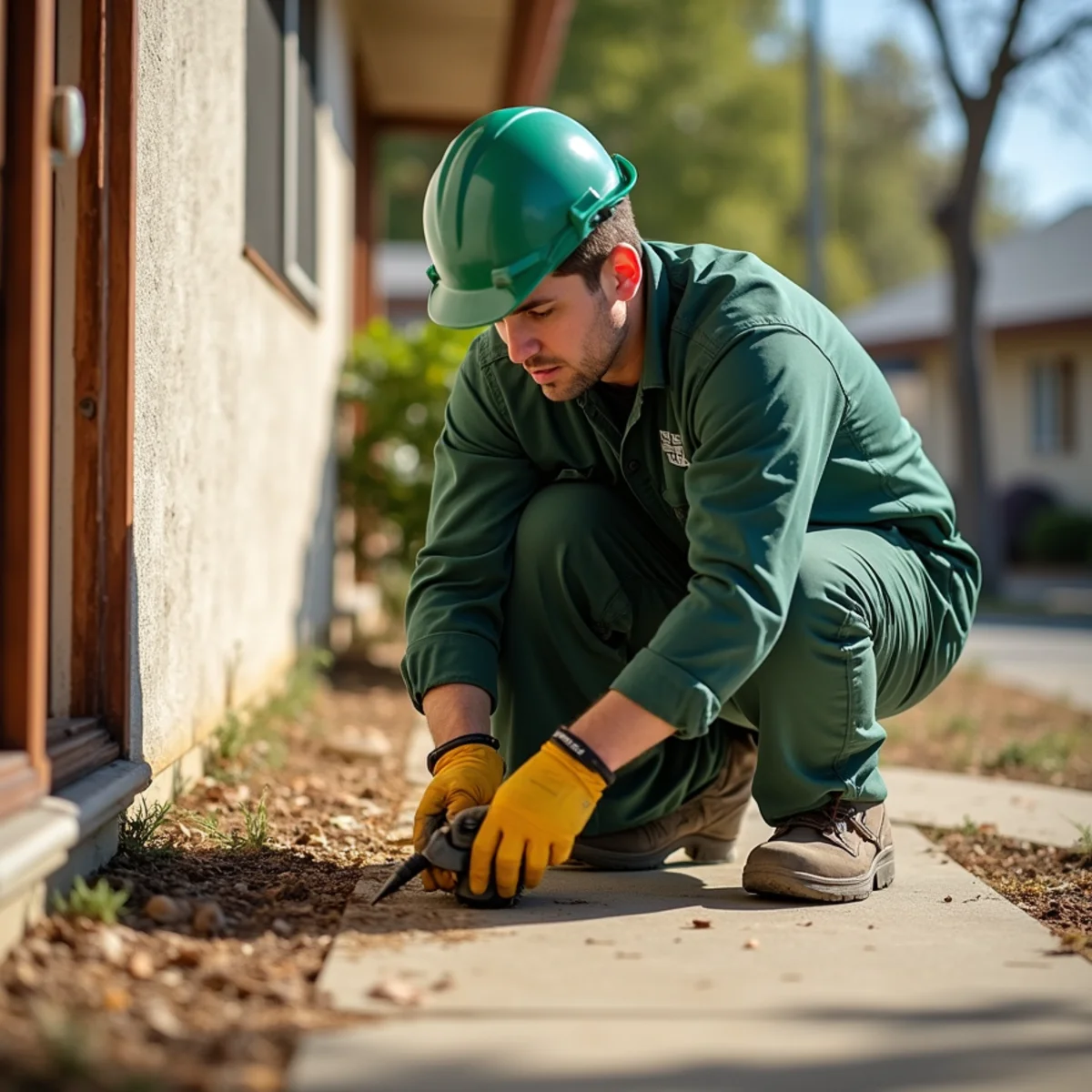
Drywood termites keep their galleries clean by pushing waste out through small "kick-out" holes, and that waste is frass — tiny, six-sided pellets the color of the wood, roughly the texture of coarse sawdust or ground pepper. You will find little piles of it on windowsills, along baseboards, on the garage floor below eaves, or on furniture. A pile of frass under a small hole in the wood is the classic drywood calling card.
Subterranean termites give themselves away differently. Because they must keep contact with moist soil, they build protective mud tubes — pencil-width tunnels of soil and saliva — up foundation walls, piers, and crawlspace surfaces to travel between the ground and the wood without drying out. A mud tube running up a stem wall is the unmistakable subterranean sign.
Both species also swarm, releasing winged reproductives that shed their wings after flight. Finding small piles of discarded wings on windowsills in spring is a sign of either species and a prompt to inspect. If you are unsure which you are seeing, that is exactly what a termite-inspection visit is for — the diagnosis drives everything.
Timing helps with identification too. Termites swarm in spring, so a sudden appearance of winged insects or shed wings around windows in March, April or May is a classic prompt to look closer. Drywood swarmers tend to appear on warm, still days, while subterranean swarms often follow rain. Either way, a swarm indoors means an established colony is already in or very near the structure, not a chance visitor from the yard — a distinction worth acting on quickly.
Why the treatments are completely different
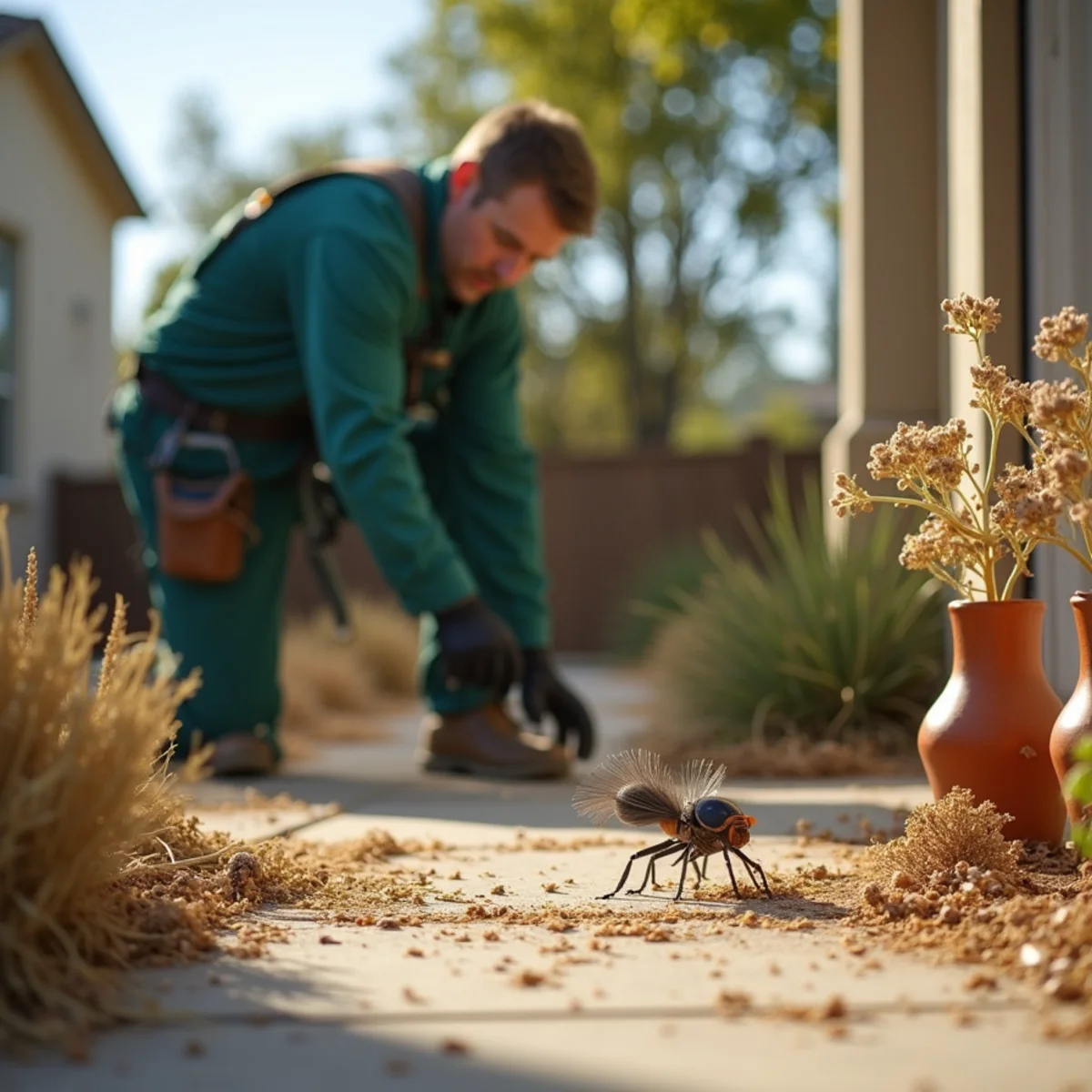
Because drywood termites live inside the wood with no soil link, you treat the wood itself. For contained, early galleries, that means localized drill-and-treat work — drilling into the affected members and injecting product directly into the colony. When drywood activity is spread throughout a structure and spot work can no longer reach it all, tent fumigation treats the entire home at once. Soil treatments do nothing for drywood, because the insects never touch the ground.
Subterranean termites are treated at the source of their moisture: the soil. A continuous treated zone, or soil barrier, is applied along the foundation so that workers passing between the nest and the house carry the material back and the colony collapses. Baiting systems installed in the ground are another soil-focused approach. Fumigating a house does nothing lasting for subterranean termites, because the colony lives outside in the dirt and simply returns.
This is why identification is not academic. A termite-control plan built for the wrong species wastes money and leaves the real colony working. The correct sequence is always inspect, identify, then match the method to the insect and the extent of the damage.
The honest trade-off inside drywood treatment is local work versus fumigation. Localized drill-and-treat is cheaper, keeps you in your home, and works well when galleries are contained and accessible — but it only treats what the inspector can find and reach. Fumigation reaches every gallery in the structure at once, which is its real advantage, but it costs more, requires vacating the home, and does nothing to prevent a future colony. The spread of the activity, not a sales preference, should decide which one a home needs.
The honest trade-offs
Here is the part homeowners rarely get told plainly: not every drywood problem needs a tent. Many early or contained infestations in the Central Valley can be handled with local treatment, which costs a fraction of whole-house fumigation and does not require you to move out for days. The right call depends on how widespread the activity is, which only a thorough inspection can determine.
It is also worth knowing that California homeowners insurance almost never covers termite damage — policies treat it as preventable maintenance, not a sudden covered loss. That makes annual inspections the cheapest insurance you actually have, because catching either species early is far less expensive than repairing structural wood.
When a home is changing hands, California requires a formal wood-destroying-organism (WDO) report, filed under the Structural Pest Control Board's oversight. Whether you are buying, selling, or just want peace of mind, the inspection tells you which termite you are dealing with and whether spot treatment will hold or fumigation is genuinely the right path.
A few prevention habits slow both species regardless of which you have. Keep wood — fence posts, deck supports, stored lumber and firewood — from touching soil, since direct wood-to-ground contact is an invitation to subterranean colonies. Correct crawlspace and foundation moisture, clear vegetation and debris away from the structure, and seal cracks where swarmers could enter. None of this replaces treatment once a colony is active, but it reduces the odds of the next one and buys time between inspections.
A final word on why the identification is worth the trouble: the cost gap between the two paths is large. A contained drywood problem caught early and spot-treated is one of the more affordable termite jobs, while a whole-structure fumigation sits at the high end, and a subterranean soil barrier is different again. Guessing wrong does not just waste money on the wrong method — it leaves the actual colony working while you believe the problem is handled. That is the real argument for inspecting and identifying before anyone reaches for a treatment, and for taking spring swarms seriously rather than waiting.
Frequently asked questions
Drywood and subterranean termites look similar on a worry list but demand completely different treatments, and guessing wrong is costly. The safe move is an inspection that identifies the species and maps the damage before anyone quotes a fix. Call J&J Pest Control at (321) 496-4080 to schedule a termite inspection.
Call (321) 496-4080