
commercial
Pest Control for Fresno Restaurants: Passing Health Inspections

Passing a health inspection takes a prevention-first IPM program, not spraying when you see a pest. Fresno restaurants need documented service logs, sealed entry points, tight sanitation, and quick correction of findings. Inspectors look for evidence of pests and gaps in your records — a documented program and a clean kitchen are what keep you open.
What do health inspectors look for in a Fresno restaurant?
In Fresno's food economy, a pest problem is not just a nuisance — it is a failed health inspection, a shut-down line, and a hit to your reputation. Environmental health inspection in the county is handled generally by Fresno County environmental health, and while the specifics of any visit are up to the inspector, the pest-related concerns are consistent and predictable. Knowing what draws their attention lets you stay ahead of it rather than scramble.
Inspectors look first for evidence of pest activity: rodent droppings near storage, docks or product; gnaw marks on packaging; live or dead insects, especially cockroaches in kitchen equipment, warewashing areas and break rooms; and flies around drains, dumpsters and the dining room. They also look at stored-product pests like Indian meal moths and beetles in dry goods. A single roach behind a line can turn a routine visit into a serious problem, because it signals a population you cannot see.
Just as important, inspectors look at the conditions that invite pests and at your records. Gaps around doors and utility penetrations, standing water, grease buildup, improperly stored food, and overflowing trash all get noted because they are what pests exploit. And increasingly, inspectors expect to see documentation of an active pest control program — not a stack of receipts, but a record of regular service, what was found, and what was done about it.
Fresno's climate and ag economy raise the stakes further. Long, hot summers speed up breeding for the pests that most threaten kitchens — German cockroaches, flies and rodents — so a small lapse in sanitation or sealing turns into a visible problem faster here than in a cooler region. Restaurants near packing operations, produce suppliers and the broader food-and-ag supply chain also face stored-product pests and rodent pressure coming in with deliveries and from neighboring facilities. That constant, climate-driven pressure is exactly why a reactive approach falls behind: by the time you see the pest, the conditions that produced it have been working for weeks. The restaurants that pass cleanly are the ones treating pest control as an ongoing, documented system rather than a phone call made after a problem appears.
Need help now, not later?
Call (321) 496-4080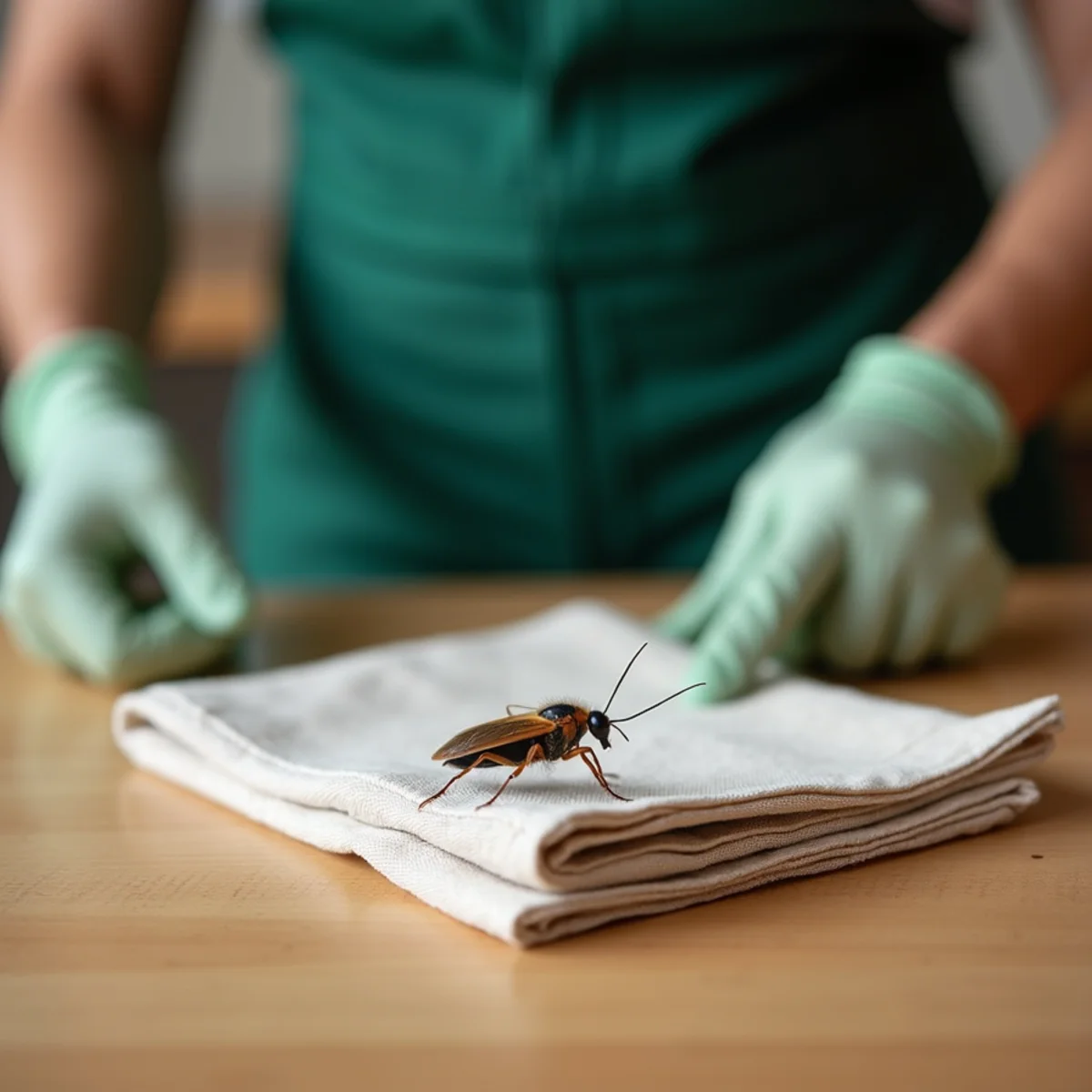
Why is IPM the right approach for restaurants?
The old model of pest control — spray when you see something — fails a modern health inspection, and it fails your kitchen. The standard that works is Integrated Pest Management, or IPM, a prevention-first approach built around keeping pests out rather than reacting after they arrive. For a food facility, IPM is not jargon; it is the difference between passing and failing.
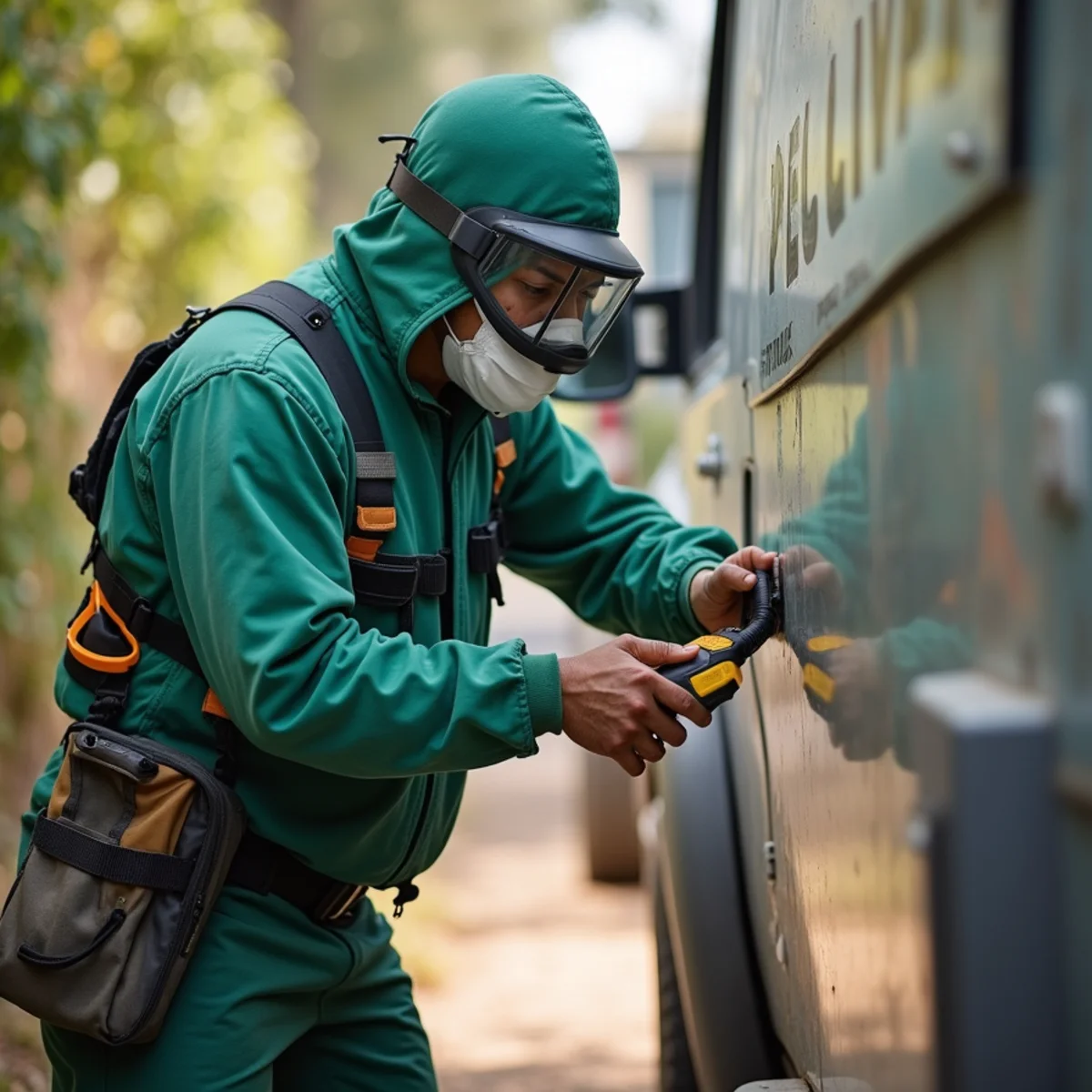
IPM rests on a few principles working together. It starts with monitoring — rodent stations mapped and checked, insect monitoring in key areas — so problems are caught early and trends are visible. It identifies the conditions feeding pests: the entry points, moisture, and sanitation gaps that let them in and sustain them. It uses exclusion and sanitation to remove those conditions, sealing gaps and correcting the practices that attract pests. And it applies targeted treatment only where needed, which keeps pesticide out of food-prep areas and uses product precisely rather than broadly.
For a Fresno restaurant, the payoff is threefold: fewer pests, less pesticide in food-handling areas, and the documentation auditors and inspectors expect to see. German cockroaches are a prime example of why IPM matters — they breed explosively in warm kitchens, hide in equipment motors and cabinet voids, and rebound from eggs that a single spray never reaches. Controlling them takes baiting, a growth regulator, exclusion, follow-up visits timed to the hatch cycle, and sanitation that removes their food and water. That coordinated, preventive program is IPM in action, and it is exactly what a reactive spray cannot deliver.
What documentation does a restaurant need?
If there is one thing that separates restaurants that pass easily from those that sweat every inspection, it is documentation. Inspectors and third-party food-safety auditors expect to see a record of an active pest control program, available on demand, and a clean kitchen without the paperwork still leaves you exposed. Treating documentation as part of the job, not an afterthought, is what keeps you continuously inspection-ready.
A solid program keeps the records inspectors actually ask for:
- A service log for every visit — the date, what was inspected, what was found, and what action was taken. This is the core document.
- A rodent station map showing the location of exterior and interior stations, with monitoring records for each.
- Monitoring records for insect activity in key areas, so trends are visible over time.
- Corrective-action notes documenting how findings were addressed and what sanitation or structural fixes were recommended.
- Product and application records showing what was used, where, and in line with label and California Department of Pesticide Regulation rules.
The value of these records is twofold. First, they satisfy the inspector or auditor who wants proof that pests are being managed proactively, not reactively. Second, they make your own operation better — the trend data flags a developing problem before it becomes a violation. A reactive "spray when you see something" approach produces no useful records and fails audits precisely because there is nothing to show. We build programs that produce inspection-ready documentation as a matter of course.

What are the most common pest-related violations?
Most pest-related inspection failures come from a short list of recurring issues, and nearly all of them are preventable. Knowing the usual suspects helps you self-audit before an inspector does. These are the problems we see trip up Fresno restaurants again and again.
The biggest category is evidence of pests: rodent droppings or gnaw marks near storage and product, live or dead cockroaches in equipment and warewashing areas, flies at drains and the dumpster, and stored-product pests in dry goods. A related failure is conducive conditions — the open invitations that let pests in and keep them. Gaps around exterior doors and utility penetrations, torn door sweeps, standing water, grease and food debris behind and under equipment, and improperly stored or unsealed food all get cited because they directly enable pest activity.
Then there is the documentation gap: having no active program, or no records to show one exists, when an inspector or auditor asks. A kitchen can look clean on the day and still fall short if there is no evidence of ongoing, preventive pest management. Trash and sanitation issues round out the list — overflowing or uncovered dumpsters, dirty drains that breed flies, and clutter that provides harborage. The common thread is that these are maintenance and system failures, not bad luck. A documented IPM program with regular service, exclusion, and sanitation guidance addresses every item on this list before it becomes a violation on your report.
How should a restaurant prepare for an inspection?
You should never be "getting ready" for a health inspection at the last minute — the whole point of a documented IPM program is that you are always ready. That said, a walkthrough on your own terms catches issues before an inspector does. Use this checklist regularly, not just before a visit.
- Pull your pest control records and confirm they are current: service logs, rodent station map, monitoring records and corrective-action notes, all available on demand.
- Inspect for evidence — check behind and under equipment, in warewashing and break rooms, along walls and in dry storage for droppings, roaches, flies or stored-product pests.
- Check entry points — door sweeps intact, gaps around doors and utility penetrations sealed, screens in good repair, dock doors closing fully.
- Audit sanitation — clean floor drains (a top fly source), degrease behind and under the line, clear food debris, and make sure nothing is harboring pests in clutter.
- Review food storage — everything sealed, off the floor, FIFO-rotated, with no gnawed or compromised packaging.
- Handle trash and the dumpster area — covered, not overflowing, cleaned regularly, and kept away from entry points.
- Confirm standing water is eliminated — no leaks, pooling, or condensation that pests use.
- Note anything for your pest provider so it is addressed and documented at the next scheduled service.
Work this list on a routine schedule and the official inspection becomes a formality rather than a fire drill. A good practice is to assign the walkthrough to a specific manager each week and log it, so it actually happens and you build your own paper trail alongside the pest provider's records. The restaurants that pass cleanly are not lucky — they run a documented, preventive program and keep the kitchen tight year-round. That is exactly what a scheduled commercial IPM program delivers, with service timed around your hours so it never costs you a shift.
Frequently asked questions
Passing a Fresno health inspection comes down to a documented, prevention-first IPM program and a kitchen kept tight year-round — not a last-minute spray before the inspector arrives. Service logs, sealed entry points, sanitation and quick correction of findings are what keep you open. Call J&J Pest Control at (321) 496-4080 for a scheduled commercial program built to pass inspections.
Call (321) 496-4080