
mosquitoes
West Nile Virus Season in Fresno County: Mosquito Facts: Mosquito Facts
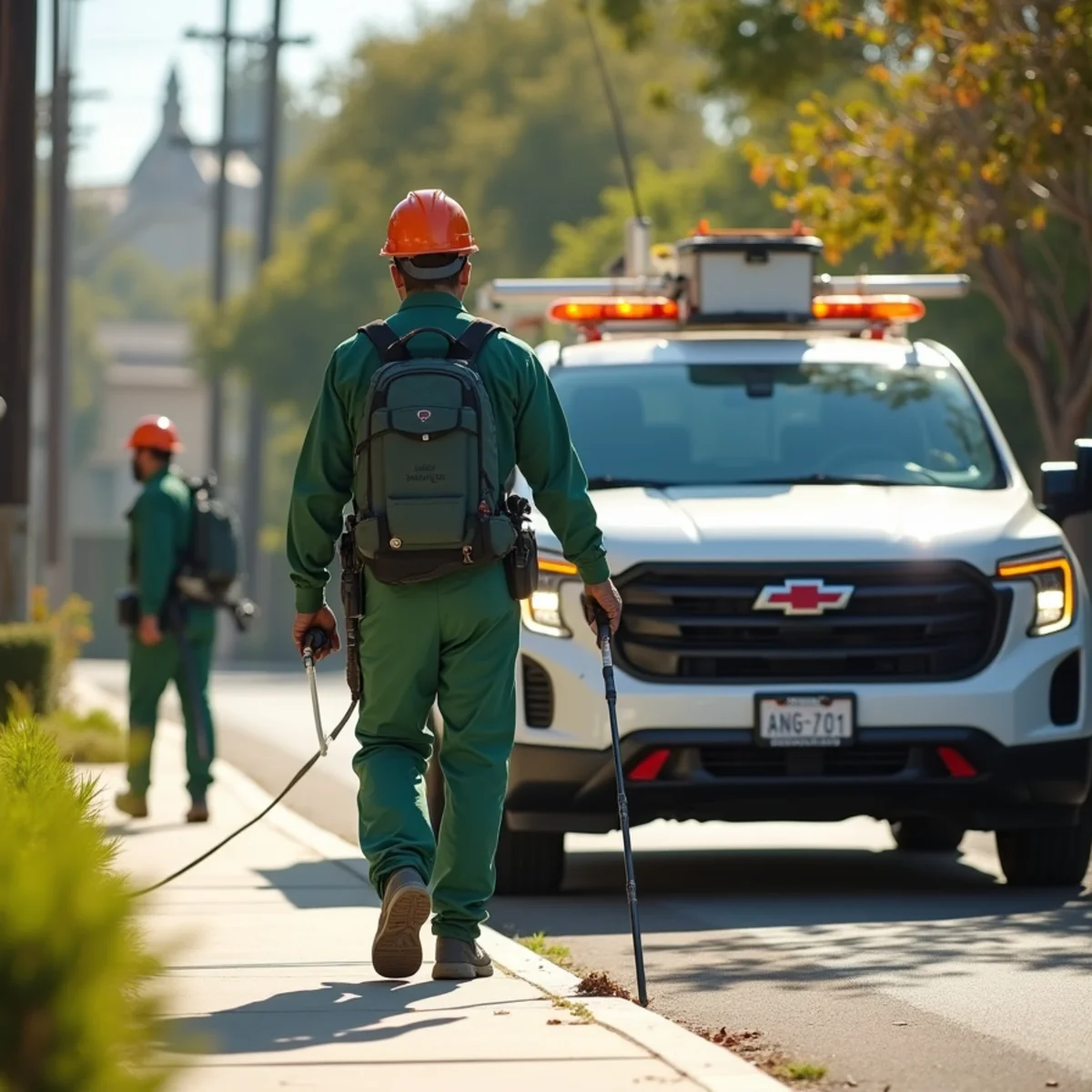
In Fresno County, West Nile virus activity tracks mosquito season, which ramps up as temperatures rise and typically peaks in the hot summer months. Mosquitoes breed in standing water, so draining it is the single best prevention. The Fresno Mosquito & Vector Control District handles the region; private service treats your own yard.
West Nile virus, briefly
West Nile virus is the most common mosquito-borne disease in California, and the Central Valley sees activity most years. The virus circulates between mosquitoes and birds, and mosquitoes pass it to people when they bite. It is not spread person to person through casual contact.
Most people infected never develop symptoms, and many who do experience a mild, flu-like illness. A smaller number, more often older adults and people with weakened immune systems, can develop serious neurological illness. There is no vaccine for people, so prevention centers on avoiding bites and reducing the mosquitoes around you.
For medical questions about symptoms or risk, your doctor or a public-health source is the right authority — we are a pest control company. Our role is the practical one: reducing the mosquito population and the breeding sites around your home so there are fewer bites to worry about in the first place.
It helps to know which mosquitoes carry the virus, because it shapes prevention. In California, West Nile virus is spread mainly by Culex mosquitoes, which readily breed in the stagnant, organically rich water of neglected pools, catch basins, and standing containers — exactly the kind of water that collects around homes. They tend to bite from dusk into the night. That profile is good news in one sense: the breeding sites that matter most are the ones a homeowner can actually find and drain, which puts a real share of the prevention within your control.
Need help now, not later?
Call (321) 496-4080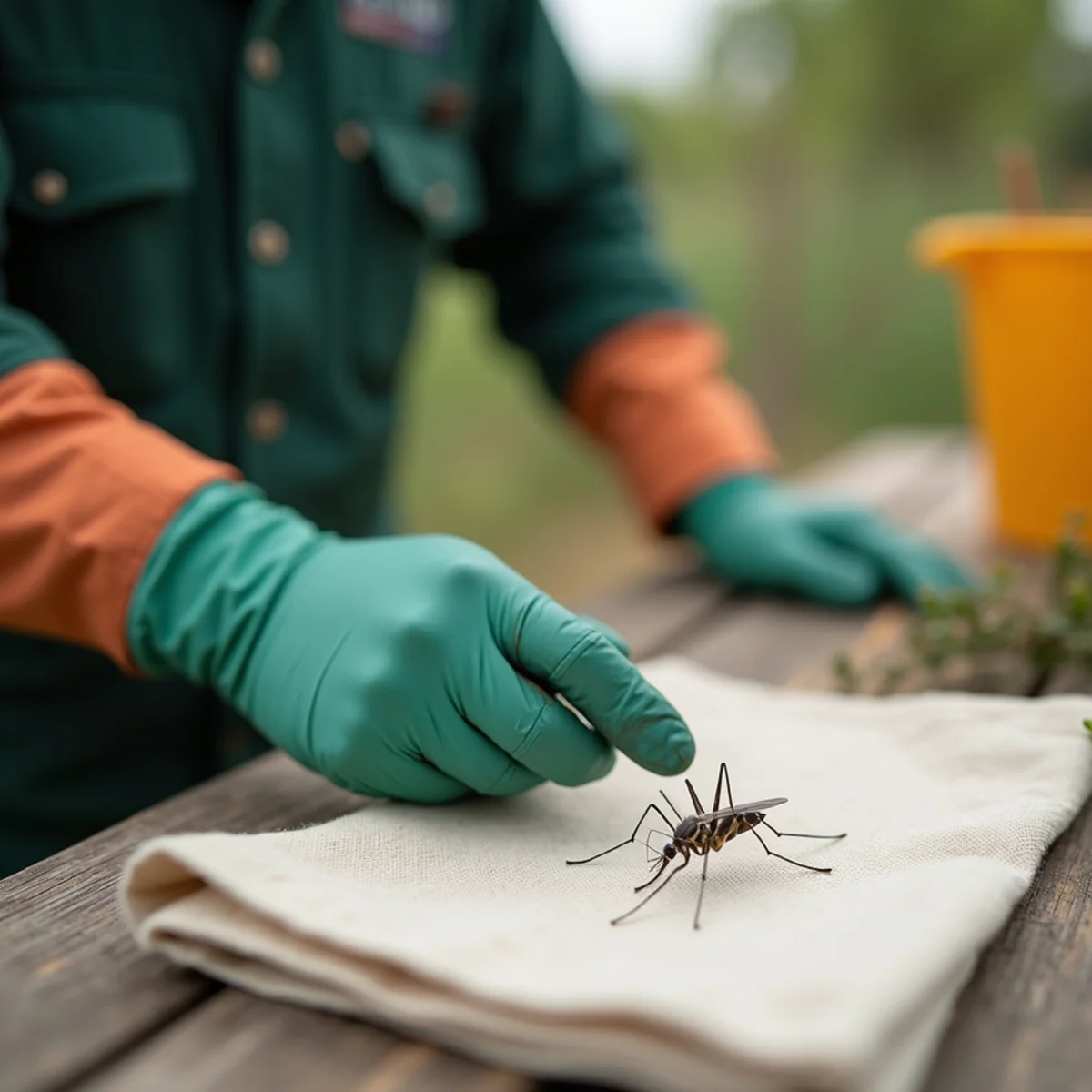
When is mosquito season in Fresno County?
Mosquito activity in the Central Valley is driven by temperature and standing water, so the season builds through the spring, intensifies as the weather turns hot, and typically runs strongest through the long summer and into early fall before cooling off. West Nile virus activity generally follows the same curve, because warm weather speeds both mosquito breeding and the virus's cycle.
Fresno County's geography feeds the season. Irrigation water across farm country, canals and ditches, river corridors, and the warm standing water that lingers in neglected pools and yard containers all give mosquitoes places to breed close to where people live. Communities along rivers, canals and irrigated agricultural ground — from the valley floor out to smaller farm towns — tend to feel the pressure most.
Because the season is long and the breeding sites are everywhere, prevention is not a one-time task. It is a habit maintained from late spring through fall: eliminate standing water, protect yourself from bites, and keep the yard treated during the months mosquitoes are active.
Heat accelerates the whole cycle, which is why the hottest stretch of a Valley summer is also the most intense for mosquitoes and the virus. Warmer water shortens the time it takes larvae to become biting adults, and warmth also speeds the virus's replication inside the mosquito, making infected mosquitoes more likely to transmit. So a run of triple-digit days is not just uncomfortable for people — it is a biological fast-forward button for the mosquito population, and a cue to be especially diligent about draining water and protecting against bites.
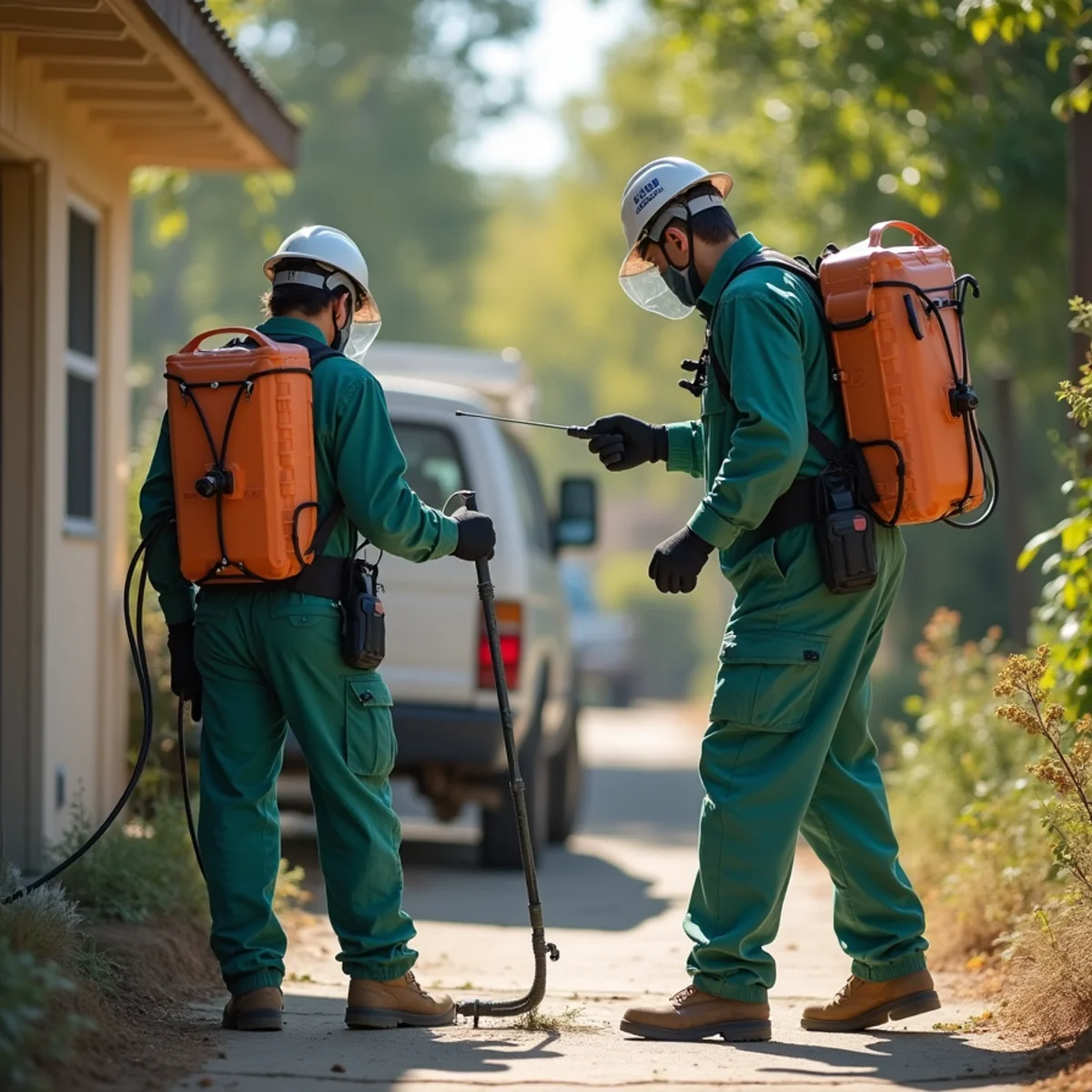
Standing-water checklist: the most important step
Mosquitoes cannot complete their life cycle without standing water, and many species need only a small amount for a few days. Eliminating breeding sites around your property is the single most effective thing you can do. Walk your yard weekly during the season and deal with every one of these:
- Empty and scrub birdbaths, pet bowls and plant saucers at least weekly
- Dump water from toys, buckets, wheelbarrows, tarps and trash-can lids
- Clear roof gutters and downspouts so they drain fully
- Fix dripping hose bibs, A/C condensate and low spots that pool after irrigation
- Change the water in wading pools and fountains, or keep fountains circulating
- Cover or maintain rain barrels with tight screening
- Keep swimming pools and spas chlorinated and circulating, or drained — neglected "green" pools are major breeders
- Store anything that holds water upside down or under cover
- Stock ornamental ponds with mosquito-eating fish, or keep them aerated
The rule of thumb: if it holds water for more than a few days, it can breed mosquitoes. Tipping, draining and scrubbing on a weekly rhythm starves the population before it starts.
The weekly rhythm matters because of how fast the cycle turns. Many mosquitoes go from egg to biting adult in roughly a week to ten days in warm weather, so water that sits undisturbed for a week can produce a fresh batch, while water tipped out every few days never gets the chance. Scrubbing counts too: female mosquitoes lay eggs along the waterline of a container, and those eggs can survive drying, so a quick rinse and scrub of birdbaths and saucers removes eggs a simple dump leaves behind. Think of it as a standing weekly chore, not a one-time cleanup.
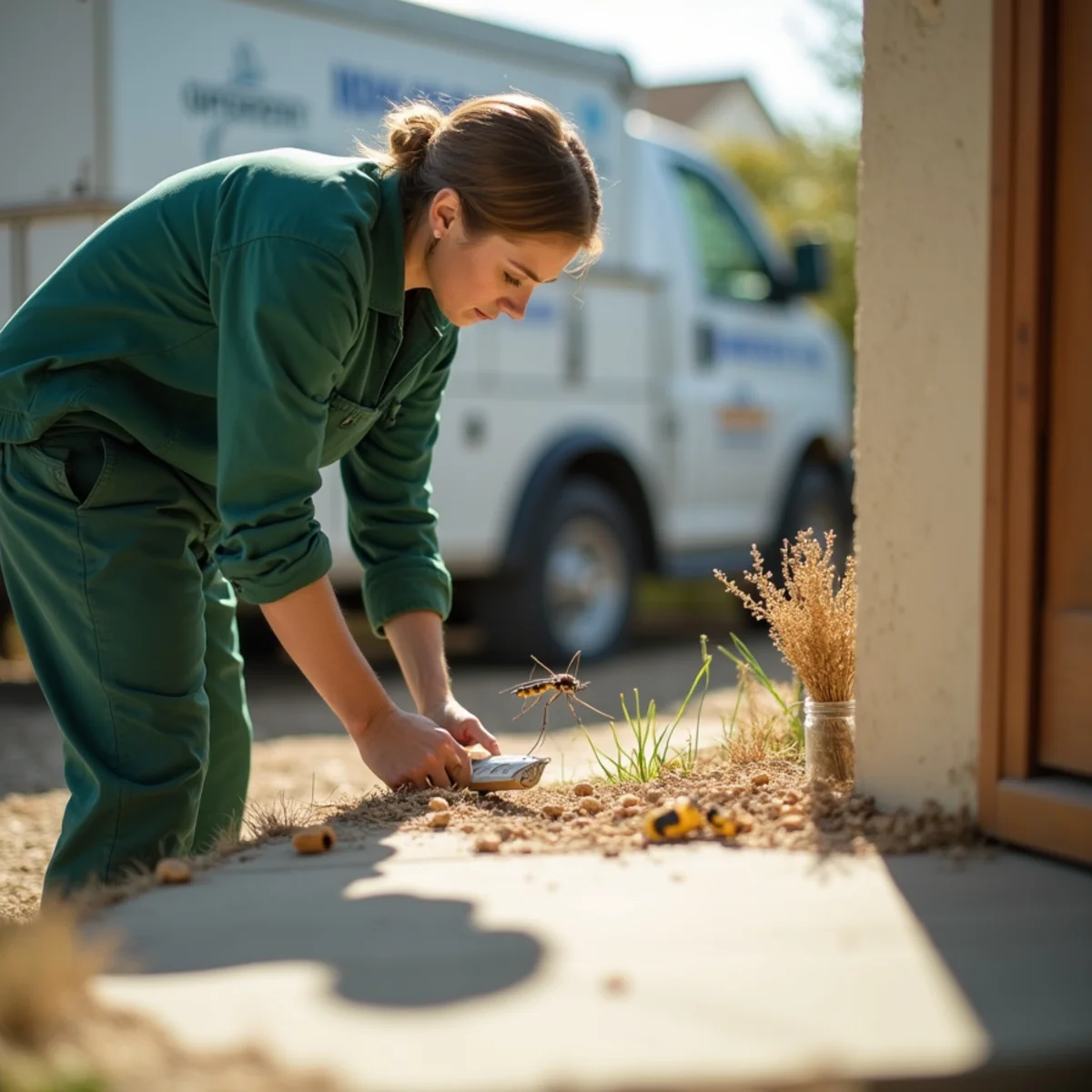
Protecting yourself from bites
Reducing breeding sites lowers the population; personal protection keeps the mosquitoes that remain from biting you. The CDC's long-standing advice, often summarized as the "three Ds," is a useful frame: drain, dress and defend.
Use an EPA-registered insect repellent on exposed skin when you are outdoors during the season, following the label directions. When mosquitoes are active, wear long sleeves and long pants where practical, especially around dawn and dusk when many species bite most. Make sure window and door screens are intact so mosquitoes stay outside.
Time matters too. Many Valley mosquitoes are most active in the cooler hours around sunrise and sunset, so taking extra care — or moving activities indoors — during those windows cuts your exposure. None of these steps is dramatic on its own, but together they meaningfully reduce bites during the months West Nile virus is circulating.
It is also worth being realistic about repellents and the gadgets marketed for mosquitoes. EPA-registered repellents with proven active ingredients work and are the dependable choice; by contrast, bug zappers, ultrasonic apps and most wearable clip-ons have little real effect on biting mosquitoes and can lull people into skipping the measures that do work. Citronella candles and patio fans help only in a small, immediate area. The honest hierarchy is simple: drain the water first, cover up and use a registered repellent second, and treat the gadgets as background at best.
The Vector Control District vs private yard treatment
People are sometimes unsure who handles mosquitoes, so here is the honest division of labor. The Fresno Mosquito & Vector Control District is the public agency responsible for area-wide surveillance and control across the region. They trap and test mosquitoes, monitor West Nile virus activity, treat public waterways and sources, respond to neglected pools, and provide mosquito-eating fish to residents. If you have a public breeding source — a drainage ditch, a canal, a neglected pool on a vacant property — the District is who to contact, and their services to residents are a public resource worth using.
What the District does not do is maintain your individual backyard or treat your private landscaping on a schedule. That is where a private mosquito-control-and-treatment service fits. We focus on your property: identifying and knocking down the breeding and resting sites in your own yard, treating the shaded, humid harborage where adult mosquitoes rest — dense shrubs, ground cover, under decks — and reducing the biting population in the space you actually use.
The two work together rather than compete. The District manages the community-scale sources and surveillance; private yard treatment handles the property-level pressure the District is not resourced to address home by home. For a homeowner who wants their own yard usable during the season, both pieces matter.
On the yard-treatment side, it helps to know what it does and does not do. A barrier treatment of the shaded, humid resting spots — dense shrubs, ground cover, the underside of decks — knocks down the adult mosquitoes lingering in your landscaping and gives real relief in the space you use, but it is not a force field and does not stop every mosquito drifting in from a neighbor or a nearby canal. That is why it works best paired with source reduction on your own property and, where the breeding source is public, a report to the District. The three together outperform any one alone.
Timing the yard work to the season gets the most from it. There is little point treating resting sites in the cool of early spring before adult mosquitoes are active, and equally little in starting only after a backyard has become unusable in July. The productive window is to begin as the weather warms and mosquitoes ramp up, then maintain through the hot months when both the biting population and West Nile activity peak, easing off as cooler fall nights shut the season down. Matched to that curve, yard treatment turns a backyard you had surrendered back into usable space through the worst of the summer.
Frequently asked questions
West Nile virus is a predictable part of the Central Valley summer, and the defense is unglamorous but effective: drain standing water weekly, protect yourself from bites, and keep your yard treated through the season. Let the District handle the public sources and let us handle your property. Call J&J Pest Control at (321) 496-4080 for yard mosquito treatment.
Call (321) 496-4080