
termite-escrow
Who Pays for the Termite Report in a California Home Sale?
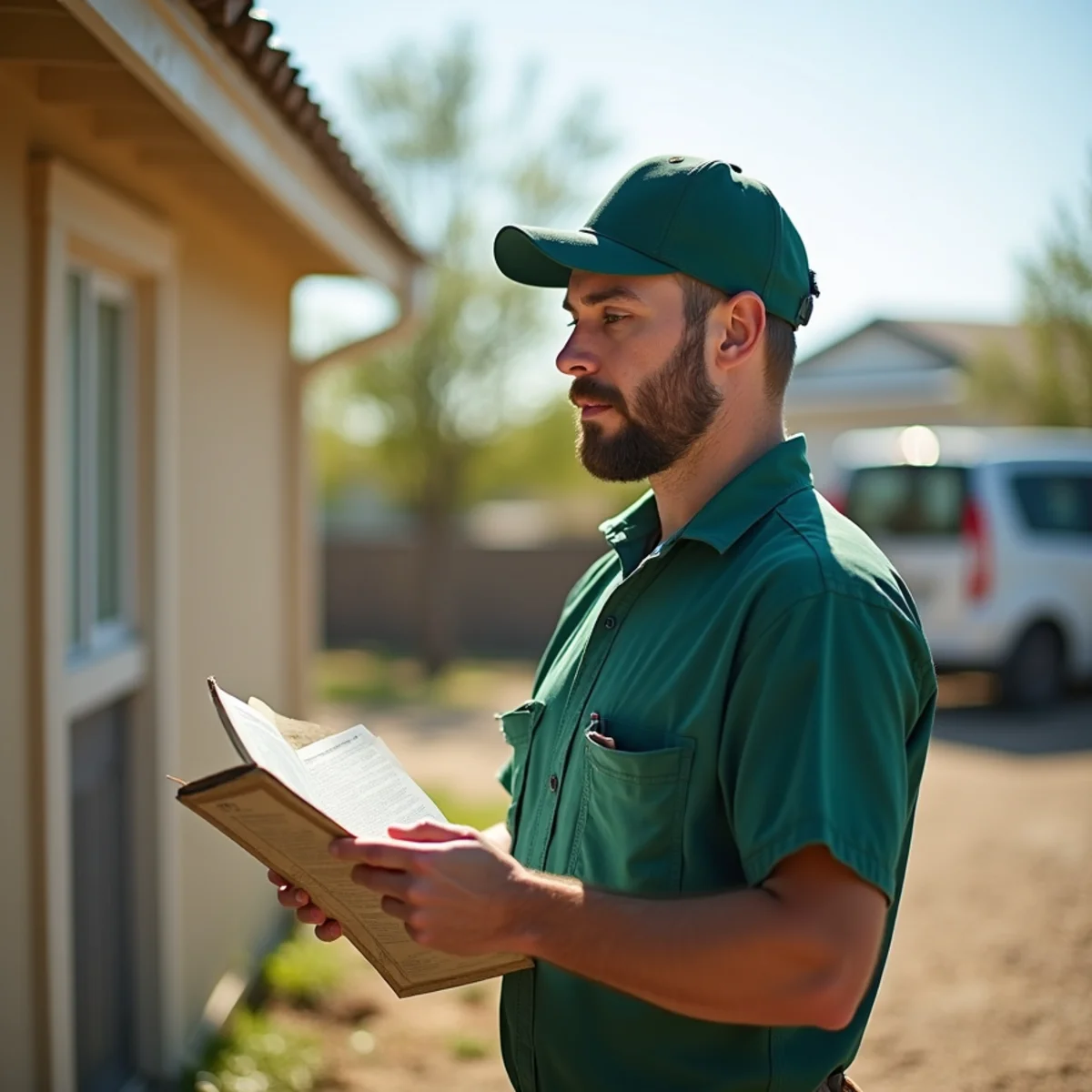
In California, who pays for the termite report is negotiable, not fixed by law. By common local custom the seller often pays for the inspection and Section 1 (active) corrections, while Section 2 (preventive) items are negotiated between the parties. The purchase contract and local practice decide — not a statewide rule.
What is a California termite report, and why does escrow want one?
A termite report — more precisely a wood-destroying organism, or WDO, report — is a formal, documented inspection for termites, wood-decay fungus and other wood-destroying pests, written to a California standard and filed with the state's Structural Pest Control Board, where it becomes part of the public record for the property. In most California home sales it is a routine step: buyers, lenders and escrow commonly want one before closing because it puts the home's real condition on paper and protects everyone involved.
The report is not just a pass/fail stamp. It documents what the inspector found, where, and how serious it is, usually with a diagram. That detail matters because the findings drive repair negotiations between buyer and seller, and a vague or confusing report can stall escrow or cost one side at the table. An accurate, clearly written report is worth as much as the inspection itself.
Here is the part that surprises many first-time sellers in Clovis and Hanford: California does not assign, by a single statewide rule, who must pay for the report or the repairs it recommends. It is a matter of negotiation and local custom, shaped by the purchase contract. That flexibility is good news — it means the cost split is something you can shape — but it also means you need to understand the pieces before you agree to anything.
It also helps to separate the two costs people lump together. There is the cost of the inspection and report itself, which is a modest, fairly predictable fee, and then there is the cost of any corrective work the report recommends, which can range from minor to significant depending on what is found. These are negotiated separately and can land on different parties. A seller might cover the report and the active-damage repairs while the buyer accepts responsibility for lower-priority items, or the parties might agree on a credit in lieu of repairs. Keeping the inspection fee and the repair costs distinct in your mind — and in the contract — prevents a lot of the confusion that stalls Fresno County escrows.
Need help now, not later?
Call (321) 496-4080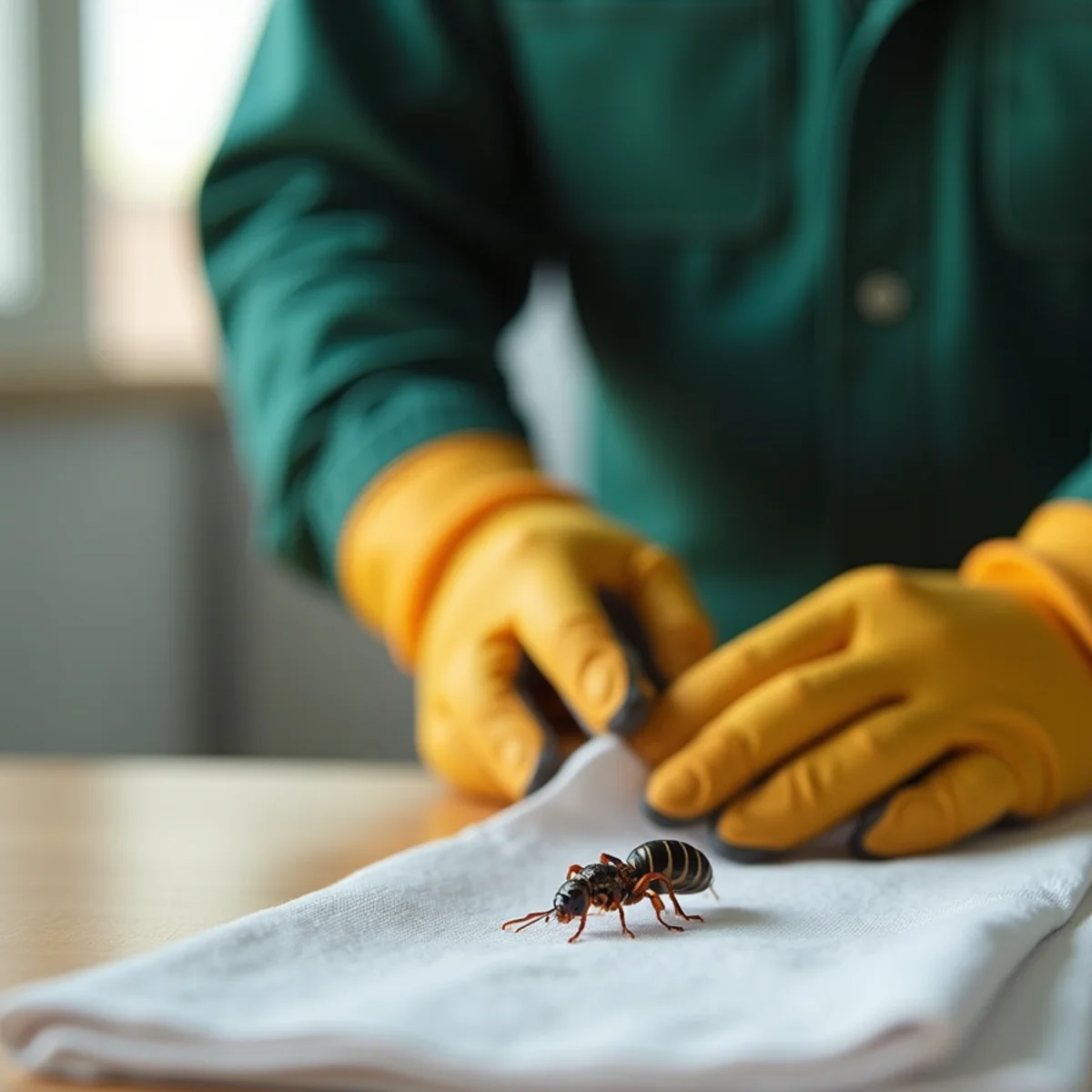
What's the difference between Section 1 and Section 2 findings?
Understanding the two sections is the key to the whole payment question, because they are usually handled differently. California WDO reports separate findings into two categories, and a well-written report keeps them clearly apart.
Section 1 covers active infestations and existing damage — the problems happening right now. Think live termites, visible decay, or fungus actively damaging the wood. These are the "there is a problem today" items, and lenders frequently require Section 1 conditions to be corrected before the loan closes and a clearance is issued.
Section 2 covers conditions likely to lead to damage if left alone — the warning signs, not the active problem. Common examples are earth-to-wood contact, excess moisture in a crawlspace, or poor drainage against the foundation. These items are genuinely important to address, but they are usually more discretionary and are often negotiated between the parties rather than automatically required for clearance.
Why does this split decide the money? Because the two categories carry different urgency and therefore different expectations about who fixes them. Section 1 is commonly treated as the seller's responsibility to clear, since it is an existing defect in what is being sold. Section 2 is commonly split or negotiated, since it is about future risk. When you hear "the seller pays for the termite work," that usually means Section 1 — and the Section 2 items are still on the table.
So who actually pays?
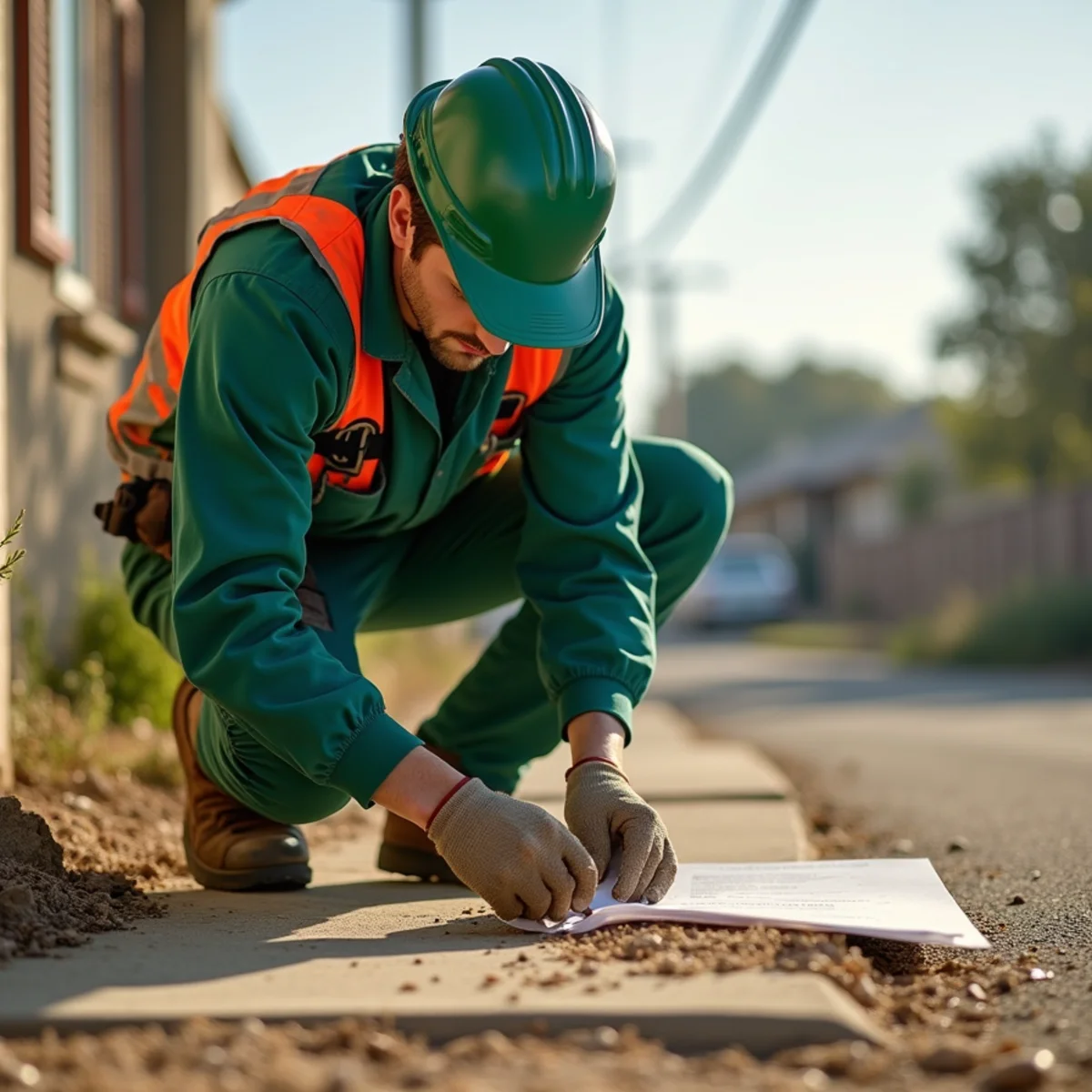
The honest, lawyer-safe answer is: whoever the purchase contract says, and that is negotiable. There is no California statute that hands the bill to the buyer or the seller. What exists instead is strong local custom, and custom varies by region and even by market conditions.
That said, the most common pattern in many California transactions looks like this:
- The inspection itself: often paid by the seller, though buyers sometimes order and pay for their own report, especially in a competitive market.
- Section 1 (active) corrections: commonly the seller's responsibility, because they are existing defects in the home being sold.
- Section 2 (preventive) items: typically negotiated — split, assigned to one party, or left for the buyer to handle after close.
But "common" is not "required." In a hot seller's market, buyers may agree to pay for the report and even some repairs to make their offer more attractive. In a slower market, buyers may push the seller to cover more. The split is one more term in the negotiation, alongside price and closing date. We perform the inspection and write the report; who pays is between buyer, seller and their agents, and we are happy to coordinate with whichever party is responsible.
How does the termite cost get negotiated?
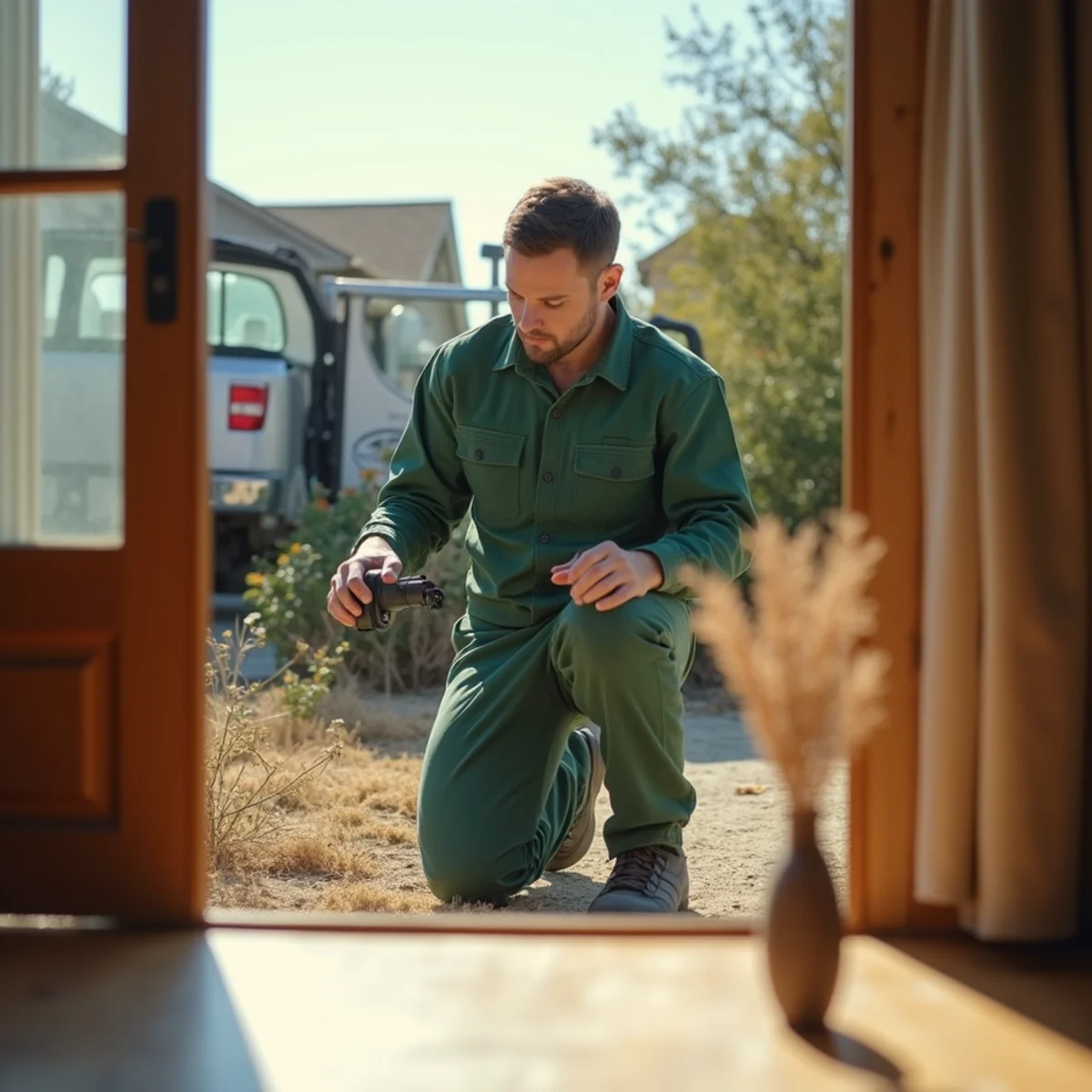
Because the split is customary rather than legally fixed, the negotiation usually runs through the purchase agreement and the agents. A few dynamics show up again and again in Fresno County deals.
First, the report sets the baseline. Once the WDO report is in hand with its Section 1 and Section 2 findings, the two sides know exactly what is being discussed. This is why an accurate, plainly explained report matters so much — a buyer negotiating from a clear document behaves very differently from one staring at a scary page full of jargon they do not understand.
Second, there is often a choice between repairs and credits. A seller may complete the Section 1 corrections and provide a clearance, or the parties may agree on a price credit so the buyer handles the work after close. Credits are common when timing is tight and escrow cannot wait for repairs and a re-inspection. Either way, the dollar figure traces back to the report's findings.
Third, local custom and the contract govern, and they can be overridden by agreement. If both parties sign off on an unusual split, that is what happens. Our role is to give both sides a report they can actually use and an honest read on which findings are genuinely urgent versus which are discretionary — so the negotiation is grounded in facts, not fear.
One dynamic worth anticipating is the re-inspection and clearance step. When a seller agrees to correct Section 1 items, escrow often wants a clearance certificate confirming the work was done and the conditions resolved, which may require us to return and re-inspect the corrected areas. That adds a little time and a modest cost, and it is worth deciding up front who is responsible for it and building it into the timeline — especially in a tight escrow. Agents who handle this routinely in Clovis and Hanford tend to line up the inspection, any corrections, and the clearance re-inspection early, so the paperwork is ready when the lender asks for it rather than becoming the last-minute snag that pushes the close.
What should buyers and sellers keep in mind?
A little preparation keeps the termite report from becoming the thing that derails your close. Here is practical guidance for each side, from a company that writes these reports for Clovis and Hanford escrows regularly.
If you are selling, consider inspecting early — before you list — so you know what the report will say and can handle or price the Section 1 items on your own timeline instead of under escrow pressure. Surprises discovered during escrow cost leverage and can spook a buyer. Knowing the findings in advance lets you negotiate from a position of information.
If you are buying, read the report in full and ask for the two sections to be explained plainly. Do not assume the seller is covering everything, and do not assume every Section 2 note is a crisis — some are minor and discretionary. Clarify in the contract who pays for the inspection, the Section 1 corrections, the clearance, and any Section 2 work, so there is no ambiguity later.
For both sides, timing matters. Lenders and escrow generally want a recent report, commonly within a few months of closing, and conditions can change, so an older report may need refreshing. We schedule around your escrow dates and can re-inspect if the close slips. Whatever the split ends up being, put it in writing in the purchase agreement — who pays for the inspection, the Section 1 corrections, the clearance, and any Section 2 work — because a handshake understanding is exactly what turns into a dispute at the closing table. The clearer the report and the clearer the contract, the smoother the deal — and the less likely termites become a last-minute fight.
Frequently asked questions
Who pays for the termite report in a California home sale is not set by a single rule — it is negotiable, customary, and spelled out in your purchase contract, usually turning on the Section 1 versus Section 2 split. The best protection is a clear, accurate report both sides can trust. Call J&J Pest Control at (321) 496-4080 to schedule a WDO inspection that keeps your escrow on track.
Call (321) 496-4080