
rodents
Why Exclusion Matters: Fall Rodent-Proofing Checklist for Your Fresno Home
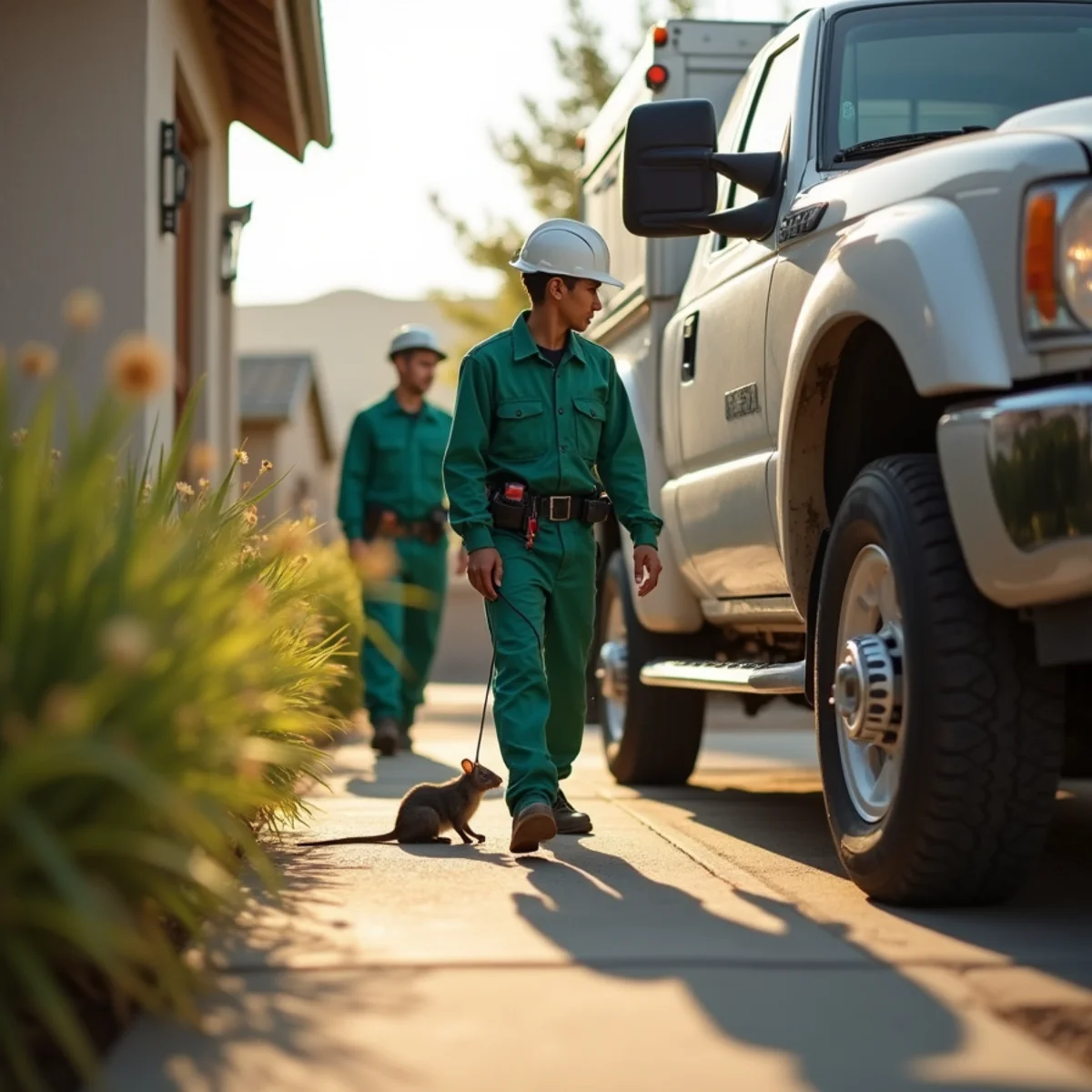
Exclusion — physically sealing every way a rodent gets in — is what actually keeps rats and mice out, because trapping alone just removes the animals inside while new ones follow the same trails. Fall is the time to do it: winter is the Valley’s peak rat season, so sealing before the cold push is far easier than reacting after.
Why exclusion, not just traps
Most people think of rodent control as trapping — catch the rats, problem solved. Trapping is essential, but on its own it is a treadmill. You remove the animals currently inside, and new ones follow the same scent trails and the same open gaps right back in. The population refills because nothing changed about the house.
Exclusion is the step that breaks that cycle. It means physically sealing every entry point a rodent can use, so that once the interior is cleared, there is no way back in. Exclusion is what turns "fewer rats this week" into "no rats," and it is the single most important and most often skipped part of a real rodent job.
The reason it works is simple: a house that a rodent cannot enter does not get re-infested, no matter how much pressure surrounds it. Trapping addresses the symptom; exclusion addresses the cause. A complete rodent-control-services program always pairs the two, plus cleanup to erase the scent trails that draw the next animal to the same spot.
Think of the three parts as a sequence with a logic to the order. Trapping first removes the animals inside so you are not sealing rats into the walls. Exclusion then closes the doors so no replacements can follow. Cleanup erases the scent and pheromone trails that would otherwise keep advertising the house to the next rodent that passes. Skip any one and the others lose their value — trap without sealing and the space refills, seal without trapping and you trap animals inside, clean without sealing and new rodents simply re-mark the runways. Done together, they compound into a lasting result.
Need help now, not later?
Call (321) 496-4080
Why do rodent-proofing in the fall?
Timing is half the battle, and fall is the window that matters in the Central Valley. Winter is the Valley's peak rat season: as nights cool, roof rats, Norway rats and house mice all move toward the warmth, shelter and food that homes provide. The scratching in the attic that so many Fresno homeowners hear in December and January is the result of that seasonal push.
Sealing the house in the fall — before the cold drives rodents to seek shelter — is far easier and more effective than reacting after they are already inside. Exclude the house ahead of the push and the rodents looking for a winter home simply find no way in and move on. Wait until you hear them in the attic, and now you have to trap out an established group and seal them out at the same time, in the busiest season.
There is a practical scheduling angle too: demand for rodent work climbs sharply once the weather turns and the noises start, so fall is both the most effective and the most available time to get the exclusion done. Getting ahead of the season is the whole point.
Fall also stacks a second pressure on top of the cooling weather: harvest. As Valley orchards and vineyards are worked and fields are cleared through the autumn, the rodents living in that ground are displaced and head for the nearest shelter, which for orchard- and field-edge homes is the house itself. So fall combines the pull of a warm home with the push of lost field habitat, and the two together are why rodent activity around Fresno homes climbs so sharply in the weeks before winter truly sets in. Sealing ahead of that double pressure is far easier than fighting it after.
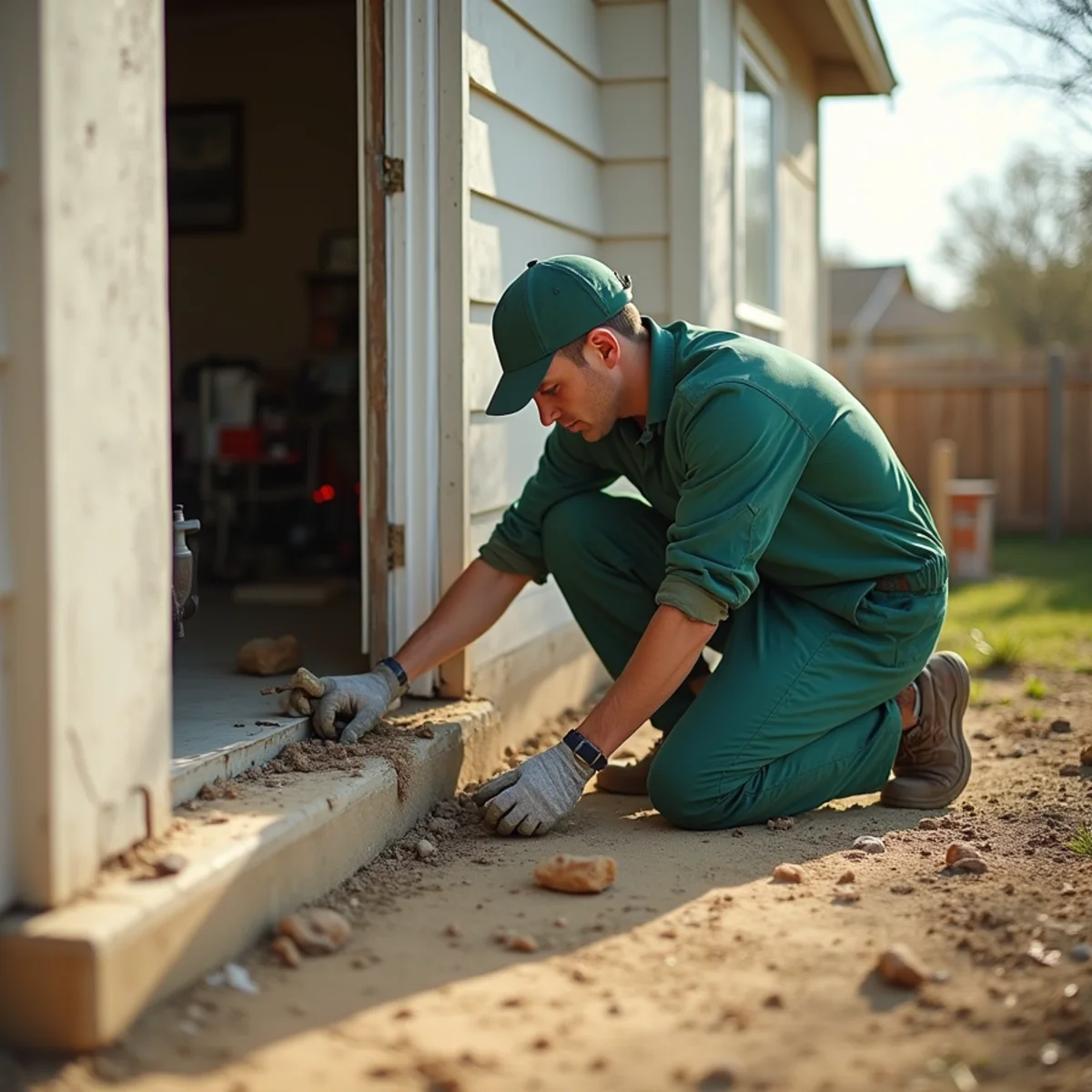
The fall rodent-proofing checklist
Rodents exploit gaps most people never look at, and a mouse needs only a dime-sized hole while a young rat needs little more. Work through the house on both levels — because roof rats enter high and Norway rats and mice enter low. Inspect and seal:
Roofline and upper level:
- Attic, gable and dryer vents — screen with quarter-inch hardware cloth
- Eave gaps and the roof-to-wall junction
- Plumbing vent stacks and roof penetrations
- Overhanging tree limbs and vines — trim back three to four feet from the roof
Foundation and ground level:
- Gaps under and around garage doors — install and adjust door sweeps and corner seals
- Weep screens and foundation vents — repair torn or missing screening
- Pipe, conduit and utility penetrations through the wall
- Foundation cracks and slab-edge gaps
- Crawlspace access doors and vents
Doors, windows and the yard:
- Exterior door thresholds and weatherstripping
- Gaps where utility lines enter the home
- Window screens and sill gaps
- Remove easy food and water: fallen fruit and citrus, open pet food, bird-seed spills, dripping hose bibs
- Store garage items off the floor and clear woodpiles and debris away from the foundation
Walk the perimeter slowly with a flashlight; the gaps that matter are easy to miss until you are looking for them specifically.
A useful trick while you inspect is to think in terms of a rodent's abilities rather than your own sense of what looks passable. Mice can squeeze through a gap about the width of a pencil, young rats through a gap the size of a quarter, and both are strong climbers and jumpers that can reach a roofline via a fence, a downspout, or a branch that looks too far away to matter. Hold that in mind and the inspection changes: a gap you would dismiss as too small, or a tree limb you would call out of reach, both move onto the list of things to close or cut back.
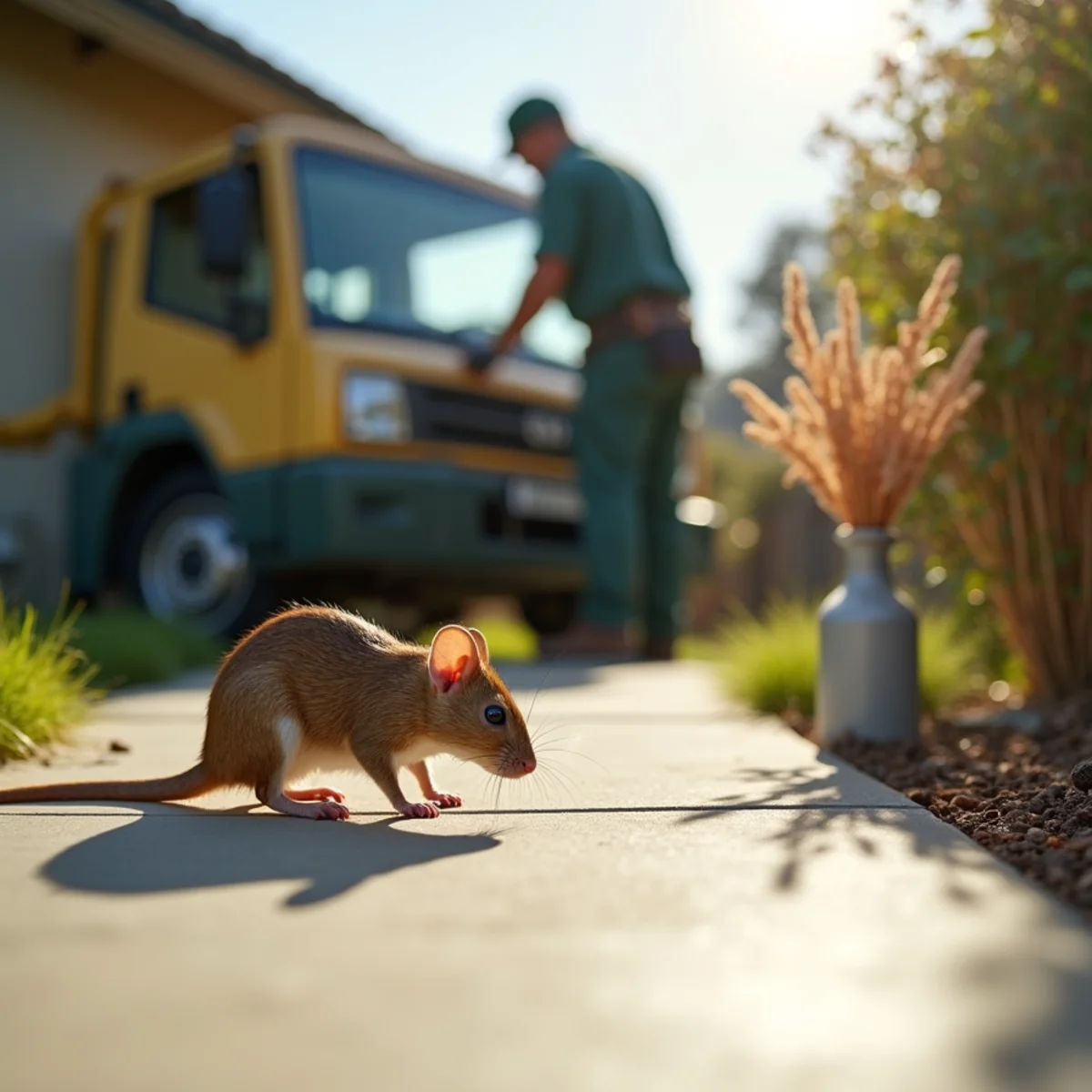
Materials that actually work
The materials you seal with decide whether the repair lasts a season or a single night. Rodents are powerful chewers, and the common mistakes are using products they tear right through. Expanding foam alone and loosely packed steel wool will not stop a determined rat — they chew and pull through both.
Durable exclusion uses materials rodents cannot gnaw: quarter-inch galvanized hardware cloth over vents and large openings, sheet metal or metal flashing over chewed edges, mortar or concrete patch for foundation cracks, and purpose-made rodent-proof door sweeps. Where foam or caulk is used for a small gap, it should be backed with a chew-proof material like copper mesh or hardware cloth so the rodent hits metal before it gets through.
The craftsmanship matters as much as the material. Seals have to be tight and complete, because a rodent only needs one gap you missed. This is why professional exclusion holds where a weekend of foam does not — it is methodical, it uses the right materials at every opening, and it is informed by knowing exactly where and how each species travels and tries to enter.
There is an order-of-operations caution with sealing, too. You generally confirm the interior is clear before closing the last entry points, because sealing a rodent's exit traps it inside, where it may die in a wall void and create an odor problem that is worse than the original infestation. Professionals manage this by trapping down the population first, leaving a monitored point until activity stops, and only then completing the seal. It is a small sequencing detail that separates a clean job from a smelly, frustrating one, and it is easy for a do-it-yourselfer to get backwards.
Why trapping alone fails
It is worth being blunt about why the trap-only approach — the one many homeowners and some cheaper services rely on — keeps failing. A trap removes the individual animal that triggers it, but it does nothing about the open gap that animal used or the scent trail it left behind.
Rodents follow established scent trails, and an attic or wall that has held rats carries a chemical invitation that pulls new animals to the exact same runways. Leave the entry open and the cleanup undone, and the space simply refills — you are forever catching a few while more move in behind them. Worse, broadcast poison used in place of proper exclusion carries real risks to pets and to the owls and hawks that eat poisoned rodents, which is why California has tightened restrictions on second-generation anticoagulant baits.
The durable answer is the three-part job done together: trap out the animals inside, seal every entry with chew-proof materials so no more can follow, and clean up the droppings and nesting material that mark the runways. Exclusion is the piece that makes the whole thing permanent, and fall is the time to put it in place before the winter push begins.
The poison shortcut deserves a closer look because it is so commonly reached for. Beyond the risk to pets, children and the owls and hawks that eat poisoned rodents — risks serious enough that California has tightened restrictions on second-generation anticoagulant baits — poison does nothing about the open entry points, so the house keeps drawing new animals even as old ones die. It also moves the problem out of sight rather than solving it, often into a wall void. Trapping paired with exclusion is both the more responsible and the more effective path, which is why it anchors a proper program.
Frequently asked questions
Trapping clears the rats you have; exclusion keeps the next ones out, and fall is the time to do it — before the winter push fills Fresno attics. Seal both the roofline and the foundation with chew-proof materials, clean up the trails, and the house simply stops being an option for rodents. Call J&J Pest Control at (321) 496-4080 to rodent-proof before winter.
Call (321) 496-4080